Transform Your Workplace Safety: Online Manual Handling Certification in Ireland
In today's fast-paced work environment, safety should be the top priority for every employer and employee. Manual handling is a critical component in ensuring workplace safety, particularly for manual laborers, warehouse staff, healthcare professionals, and office workers. The rigorous demands of handling various materials and equipment underline the necessity for Online Manual Handling Training.
The Importance of Manual Handling Training for Workplace Safety & Compliance
Manual handling involves any transporting or supporting of a load by hand or bodily force. Improper manual handling techniques can lead to serious injuries, which could affect employee productivity and incur significant costs for businesses. Moreover, employers in Ireland have a legal obligation to provide a safe working environment. Compliance with guidelines established by the Health and Safety Authority (HSA) is paramount.
What is Manual Handling? Identifying Workplace Risks & Legal Requirements
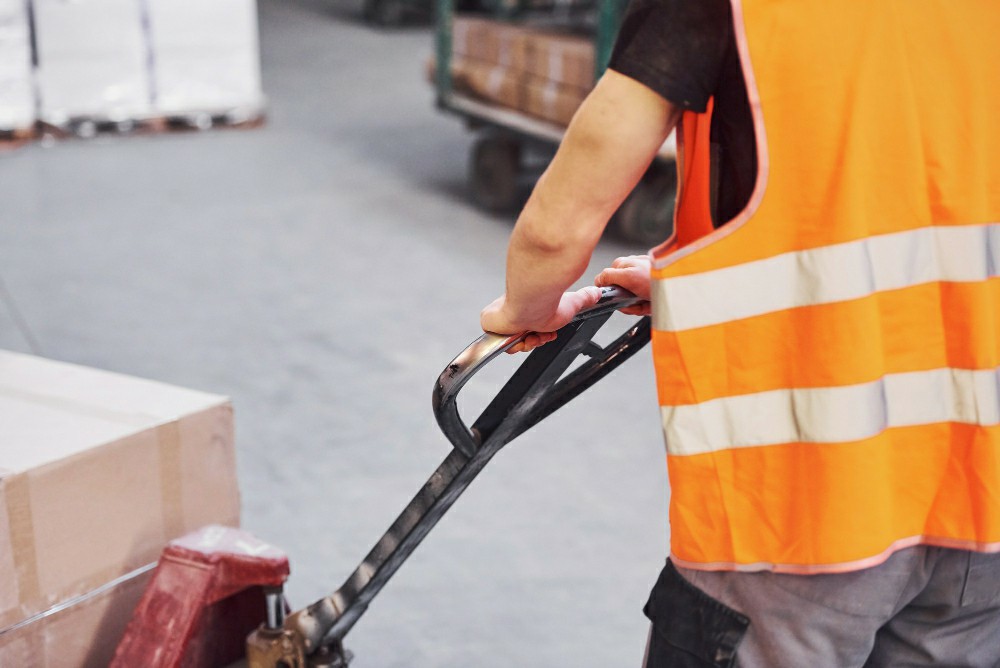
Manual handling encompasses a wide range of activities, whether lifting, lowering, pushing, pulling, or carrying items. The risk of injury increases dramatically with improper techniques, leading to common ailments such as back pain, repetitive strain injuries, and musculoskeletal disorders.
Under Irish health and safety regulations, the risk assessment of manual handling tasks is not just advisable; it's mandatory. Training your workforce in manual handling aligns your organization with compliance standards.
Safe Lifting Techniques: How to Prevent Workplace Injuries
Effective manual handling training covers a range of safe lifting techniques, including:
- Assessing the Load: Always check the weight and size of the item before lifting.
- Planning the Lift: Identify a clear path and ensure the destination is secure.
- The Right Posture: Keep your back straight, bend your knees, and lift with your legs.
- Team Lifts: For heavy items, ask for assistance from colleagues.
The Benefits of Online Manual Handling Certification for Employers & Employees
Choosing an Online Manual Handling Course offers numerous benefits:
- Convenience: Employees can complete the training at their own pace, fitting it into their schedules.
- Cost-Effectiveness: Reduces travel and accommodation costs associated with in-person training.
- Comprehensive Content: Online training often covers more material, including modules on compliance, risk assessment, and ergonomic practices.
- Accessibility: Available for teams across Dublin, Cork, Galway, and beyond.
How to Get Certified in Manual Handling Online: A Step-by-Step Guide
Getting your Manual Handling Certification Online is easier than ever. Here’s how:
- Select a Reputable Provider: Look for certified institutions that offer comprehensive training.
- Enroll in the Course: Sign up online and pay the course fee.
- Complete the Training Modules: Engage with video lessons, quizzes, and practical exercises at your own pace.
- Take the Certification Exam: Upon completing the course, pass the assessment to earn your certificate.
- Receive Your Certification: After passing, you’ll receive a digital certificate that can be printed or shared.
Why Online Manual Handling Training is More Effective & Cost-Efficient
Online courses have proven to enhance learning retention and engagement through interactive content and real-time assessments. Moreover, with businesses facing budget constraints, online training offers a cost-effective solution and saves time.
Common Workplace Injuries & How Manual Handling Training Helps Prevent Them
Statistics reveal that a large portion of workplace injuries stem from improper manual handling techniques. By prioritizing Workplace Injury Prevention through structured training, organizations can:
- Decrease the frequency and severity of injuries
- Promote a culture of safety among employees
- Enhance employee morale and productivity
Best Practices for Safe Manual Handling Across Different Industries
Different industries face various manual handling challenges. Best practices to consider include:
- Implementing ergonomic assessments and adaptations for workplace setups.
- Regular training updates to ensure staff are aware of the latest safety practices.
- Maintaining an open-channel communication for reporting unsafe practices or equipment.
Conclusion & Call to Action
Investing in Manual Handling Training is investing in your team's well-being and the long-term success of your organization. Don't wait for accidents to happen; ensure your workplace is safe, compliant, and efficient. Enroll in our Online Manual Handling Certification today and take the first step towards a safer workplace.
For more information, reach out to us at [email protected].