Transforming Workplace Safety: The Indispensable Role of First Aid & CPR Training
In today’s fast-paced business environment, the health and safety of employees are paramount. First Aid and CPR training is not just a good-to-have; it's a critical investment in workplace safety and compliance. This comprehensive guide explores the myriad benefits of First Aid training, how it empowers employees to act during emergencies, and its role in ensuring regulatory compliance.
The Significance of First Aid & CPR Training
First Aid and CPR training equips employees with the essential skills needed to respond to medical emergencies effectively. In workplaces where accidents can occur unexpectedly, having trained individuals ready to act can mean the difference between life and death. This training is vital for:
- Reducing Workplace Injuries: Employees trained in First Aid are more prepared to handle injuries immediately, which can significantly reduce the severity and long-term impact of accidents.
- Saving Lives: In emergencies like cardiac arrest, knowing how to perform CPR can save lives. Quick action in such situations directly correlates with better survival rates.
- Enhancing Employee Confidence: Training provides employees with the knowledge and skills needed, enhancing their confidence to step in during an emergency.
Key Emergency Response Skills Every Workplace Needs
Effective emergency medical response hinges on robust training. Here are some critical skills that should be part of every workplace First Aid curriculum:
- Basic First Aid Skills: Knowledge of how to treat minor injuries, such as cuts, burns, and strains.
- CPR Techniques: Proper techniques to perform CPR and use an Automated External Defibrillator (AED) can save lives in cardiac emergencies.
- Choking Relief Techniques: Skills to assist individuals who are choking can prevent asphyxiation and serious injuries.
Understanding CPR Techniques: Life-Saving Knowledge for Employees
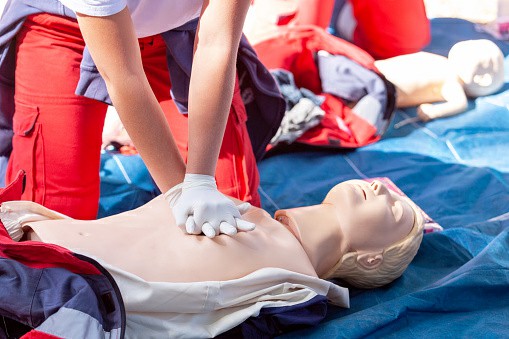
Cardiopulmonary resuscitation (CPR) is one of the most vital skills in emergency scenarios. The basic steps of CPR include:
- Assess the situation and ensure safety.
- Check responsiveness and breathing of the individual.
- If unresponsive and not breathing, call for emergency help immediately.
- Begin chest compressions and rescue breaths.
- Continue CPR until medical professionals arrive or the individual recovers.
First Aid Training and Compliance with Workplace Regulations
Most workplaces are subject to specific health and safety regulations that require a certain level of medical readiness. Completing a First Aid Course or obtaining First Aid Certification not only fulfills these requirements but also enhances the overall safety culture within the organization. Compliance benefits include:
- Avoiding Legal Penalties: Being compliant with local health regulations mitigates the risk of legal repercussions.
- Enhanced Reputation: Companies known for prioritizing employee safety attract better talent and clients.
How First Aid Certification Benefits Employees and Employers
Investing in First Aid & CPR training reaps benefits for both employers and employees:
- Improved Workplace Morale: Employees feel secure knowing they can handle emergencies appropriately, leading to increased job satisfaction.
- Reduced Accident Costs: Training can lower the likelihood of serious injuries, resulting in fewer insurance claims and financial losses.
Emergency Medical Procedures: Immediate Response Steps
Organizations should develop clear emergency response procedures alongside First Aid training to ensure that all employees are aware of their roles during a crisis. Key components include:
- Establishing a First Aid team within the workplace.
- Designating specific areas for First Aid supplies and equipment.
- Regularly reviewing and practicing emergency protocols.
Selecting the Right First Aid Course: Online Versus In-Person Options
With advancements in technology, many organizations offer online First Aid courses alongside traditional in-person training. Each option has its advantages:
- Online Courses: Flexible scheduling, accessible from anywhere, and often more cost-effective.
- In-Person Training: Hands-on experience, immediate feedback, and the ability to practice skills with instructors.
Conclusion: Your Next Steps to a Safer Workplace
Incorporating First Aid and CPR training into your workplace not only ensures compliance with occupational health standards but also protects the well-being of your employees. Don’t wait for an emergency to happen; proactive training can significantly improve your workplace's response capability and safety culture.
Take Action Today! Enroll in certified First Aid & CPR training courses to enhance your workplace safety. For further inquiries, contact us at [email protected].