Understanding Abrasive Wheels: Essential Safety and Certification Guide for Irish Industries
Abrasive wheels are indispensable tools in various industries, particularly in construction, manufacturing, and metalworking. These wheels are used for grinding, cutting, and polishing materials, offering precision and efficiency. However, their usage comes with inherent risks that necessitate proper training and certification. In this guide, we will delve into everything you need to know about abrasive wheels, including:
- What are Abrasive Wheels?
- Types of Abrasive Wheels
- Common Risks Associated with Abrasive Wheels
- Legal Requirements in Ireland
- Training Options Available
- Certification Process
- Enhancing Workplace Safety and Career Opportunities through Certification
What are Abrasive Wheels?
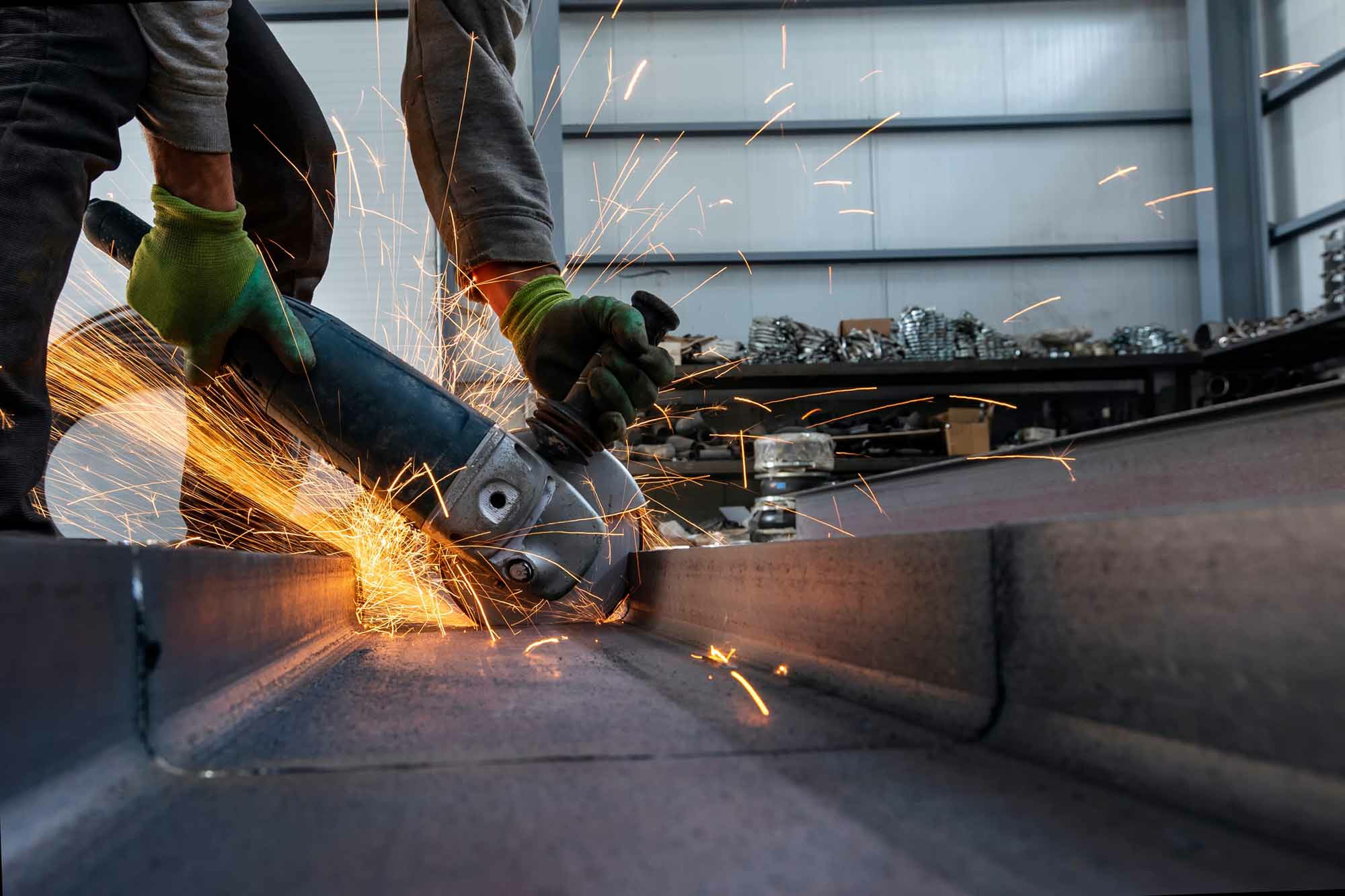
Abrasive wheels are circular disks made from composite materials that have abrasive properties. They are designed to be rotated at high speeds to remove material from workpieces, such as metals or wood. These tools are essential for:
- Grinding: Smoothing surfaces and shaping materials.
- Cutting: Cutting through hard materials, such as steel or concrete.
- Polishing: Finishing surfaces to achieve a smooth and polished look.
Types of Abrasive Wheels
Abrasive wheels come in various types, catering to different applications:
- Cylindrical Wheels: Primarily used for surface grinding.
- Flat Wheels: Ideal for producing flat surfaces.
- Diamond Wheels: Best for cutting hard materials.
- Depressed Center Wheels: Used for grinding and cutting.
Common Risks Associated with Abrasive Wheels
Working with abrasive wheels involves several risks, including:
- Wheel Breakage: A malfunction can occur due to improper handling, leading to serious injuries.
- Dust Inhalation: Fine particles can cause respiratory issues if not adequately managed.
- Noise Exposure: Prolonged exposure to loud machinery can lead to hearing loss.
Legal Requirements in Ireland
In Ireland, employers are legally obligated to ensure a safe working environment as outlined by safety regulations. Key legislation includes:
- Health and Safety at Work Act
- Safety, Health and Welfare at Work Regulations
These regulations require that employees handling abrasive wheels receive proper training to mitigate risks effectively.
Training Options Available
Training is crucial for anyone who operates abrasive wheels. Various training options are available across Ireland, including:
- Abrasive Wheels Course Dublin
- Abrasive Wheels Course Cork
- Abrasive Wheels Training Galway
- Abrasive Wheels Training Limerick
- Abrasive Wheels Certification Waterford
These training programs aim to educate workers on safety standards, proper equipment use, and risk assessment practices.
Certification Process
Obtaining an Abrasive Wheels Certificate involves completing a structured training course followed by an assessment. The certification process includes:
- Participation in a Certified Training Program: Engaging in a course (in-person or online) led by qualified instructors.
- Assessment: A written or practical test to evaluate knowledge and skills.
- Certification Issuance: Successful candidates receive official certification, which is valid for a specified duration.
Enhancing Workplace Safety and Career Opportunities through Certification
Obtaining an Abrasive Wheels Certificate significantly enhances workplace safety. It ensures that employees are equipped with the knowledge to utilize abrasive wheels confidently and safely. Furthermore, it demonstrates compliance with legal standards, reducing the risk of accidents.
From a career perspective, having a certified qualification can bolster job prospects, particularly in Dublin, Cork, Galway, Limerick, and Waterford. Employers often prioritize candidates with verified safety training, paving the way for enhanced career advancement.
In conclusion, understanding abrasive wheels, their risks, and the importance of certification is crucial for professionals in the industry. Get started today by enrolling in a certified Abrasive Wheels Training Course to ensure compliance, safety, and career growth. For inquiries, contact us at [email protected].