Understanding Abrasive Wheels: Safety Risks and the Value of Proper Training
Abrasive wheels are crucial tools widely used in various industries such as manufacturing, construction, and maintenance. But what exactly are abrasive wheels? These tools consist of a composite material that can grind, cut, or polish surfaces, making them invaluable for tasks ranging from metal fabrication to woodworking.
What Are Abrasive Wheels?
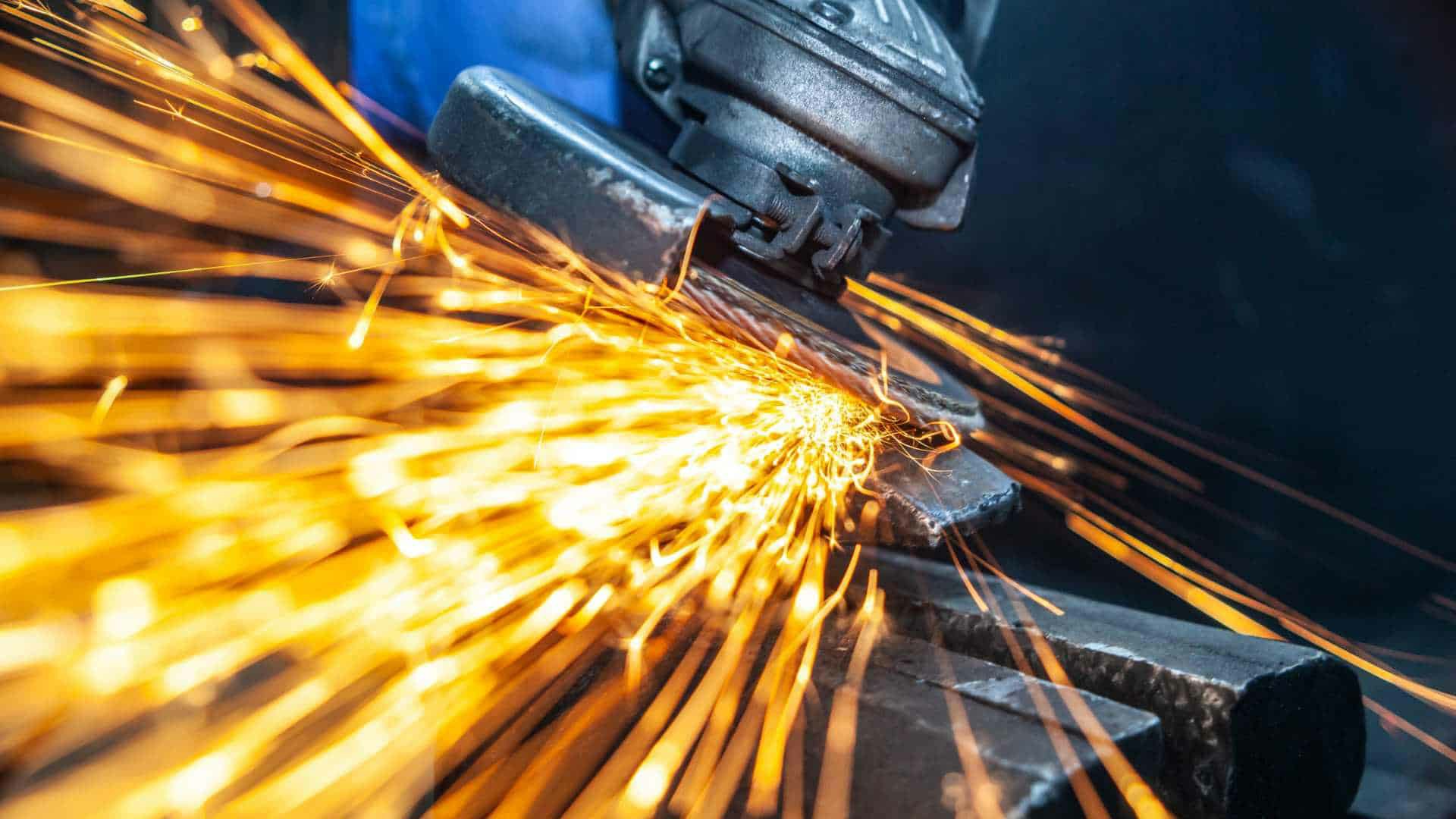
Abrasive wheels are circular discs made from abrasive materials such as aluminum oxide or silicon carbide. These wheels are mounted onto equipment like grinders and saws to aid in the shaping, cutting, or finishing of materials. Their unique construction allows for high-speed operation, making them effective for numerous applications:
- Grinding metals and other hard materials
- Cutting through thick components
- Polishing surfaces for a smooth finish
Abrasive Wheels Safety Risks
While abrasive wheels are highly effective, they also pose several safety risks when mishandled. Recognizing and understanding these risks is essential for maintaining a safe working environment. Common risks associated with abrasive wheels include:
- Wheel Breakage: Inadequately inspected or damaged wheels can shatter, posing severe injury risks to operators and nearby workers.
- Improper Mounting: A wheel not mounted correctly can become dislodged during use, leading to accidents.
- Lack of Protective Equipment: Not wearing appropriate safety gear (e.g., goggles, face shields) increases the risk of injury from flying debris.
- Inadequate Training: Without proper knowledge and skills, operators may misuse equipment, leading to accidents.
Why Proper Training is Essential
Proper training in the use of abrasive wheels is imperative for several reasons:
- Compliance with Safety Standards: In Ireland, workplaces must adhere to strict safety regulations regarding the use of abrasive tools. Enrollment in a certified Abrasive Wheels Course ensures that businesses comply with local laws, thereby minimizing legal liabilities.
- Injury Prevention: Training equips operators with the knowledge to handle equipment safely, significantly reducing the likelihood of accidents.
- Increased Productivity: Skilled operators can perform tasks more efficiently and effectively, leading to better overall productivity.
Safety Guidelines and Best Practices
To maintain a safe working environment when using abrasive wheels, it is critical to follow a set of safety guidelines:
- Inspect Wheels Regularly: Check for cracks, chips, or any visible damage before each use.
- Ensure Correct Mounting: Always follow manufacturer instructions when mounting wheels to prevent dislodgment.
- Wear Protective Equipment: Use appropriate safety gear, including goggles, gloves, and masks, to shield yourself from hazards.
- Maintain Clean Work Area: Keep the workspace free from clutter and flammable materials to minimize risks.
- Stay Informed: Regularly participate in training sessions, such as the Abrasive Wheels Course Ireland, to remain up-to-date with safety practices.
Legal Requirements and Compliance in Ireland
Under Irish legislation, employers are responsible for ensuring that employees receive adequate training in using various tools, including abrasive wheels. The Abrasive Wheels Certification indicates that an individual has completed necessary training, which is often a requirement for businesses looking to comply with workplace safety laws. Specific regions, such as Dublin, Cork, Galway, and Limerick, enforce these regulations stringently.
Conclusion
Recognizing the significance of safety when working with abrasive wheels can lead to a more secure work environment. Proper training not only meets legal standards but also protects workers from potential dangers. Consider enrolling in a Certified Abrasive Wheels Training program in Dublin, Cork, Galway, Limerick, or Waterford to equip your workforce with the essential skills needed to operate safely and effectively.
For more information or to enroll in your next Abrasive Wheels Course Dublin, contact us at [email protected]. Your safety is our priority!