


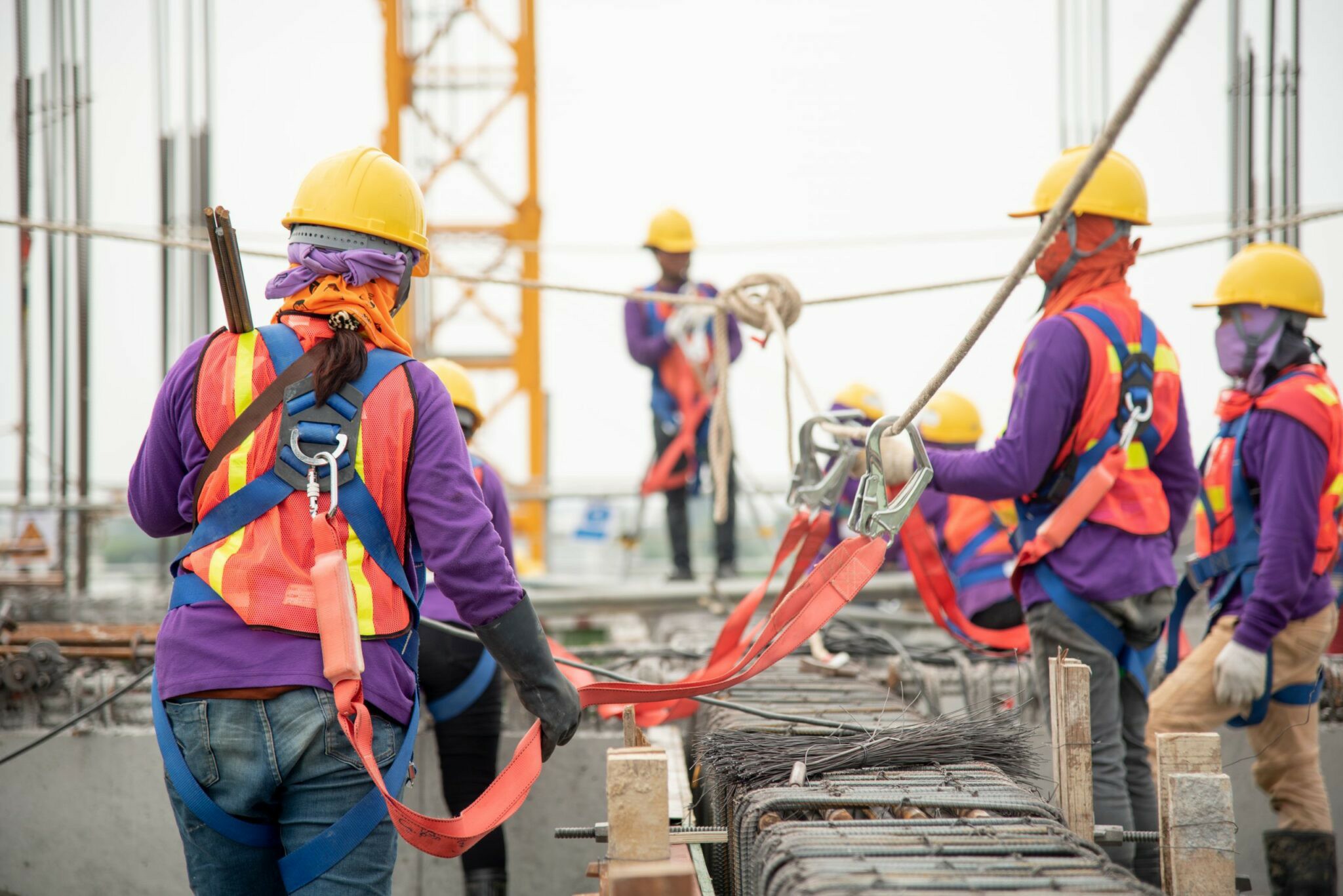
Understanding Ireland's Legal Landscape for Working at Heights Training
Working at heights poses significant risks in various industries, making proper training and compliance with legal requirements crucial. In Ireland, the obligations set forth by the Health and Safety Authority (HSA) and Health and Safety Executive (HSE) ensure that employers provide safe working conditions for their employees. This blog post outlines the legal framework surrounding Working at Heights training, including the responsibilities of employers, the importance of certification, and the consequences of non-compliance.
Legal Framework and Regulatory Bodies
The key regulatory bodies overseeing workplace safety in Ireland are the HSA and the HSE. The HSA is responsible for enforcing health and safety legislation and has established guidelines that employers must follow to ensure workplace safety, including Working at Heights training. Meanwhile, the HSE focuses on the safety of employees and provides resources for employers to better understand their legal obligations.
Employer Responsibilities Under Irish Law
Employers are legally required to conduct risk assessments and provide appropriate Working at Heights training for employees exposed to potential dangers. Key responsibilities include:
- Risk Assessment: Employers must assess the risks associated with work performed at heights and implement necessary control measures to mitigate hazards.
- Provision of Training: Employers are obligated to ensure that workers receive adequate Working at Heights training. This includes training on using ladders, scaffolding, and other climbing equipment safely.
- Monitoring and Reporting: Regular monitoring of working conditions and reporting any incidents or near misses are essential parts of maintaining compliance.
- Providing Safety Equipment: Employers must ensure the availability and proper maintenance of personal protective equipment (PPE) such as harnesses, helmets, and guardrails.
Importance of Compliance
Compliance with Working at Heights safety regulations is vital for preventing workplace accidents that can lead to serious injuries or fatalities. When businesses prioritize safety training, they not only protect their employees but also create a safer working environment that can enhance productivity and boost morale. Additionally, adhering to legal requirements significantly reduces the risk of incurring substantial fines and legal liabilities.
Penalties for Non-Compliance
Failure to comply with the HSA and HSE regulations surrounding Working at Heights training can result in severe consequences, including:
- Financial Fines: Employers found negligent in ensuring appropriate Working at Heights training may face significant fines, which can vary depending on the severity of the violation.
- Legal Action: Non-compliance might lead to legal action from employees injured due to unsafe working conditions.
- Business Reputation: Legal issues and accidents can severely damage a company’s reputation, leading to loss of clients and revenue.
Ensuring Compliance: Practical Steps for Employers
To assure compliance with Working at Heights regulations, employers can take the following practical steps:
- Choose Accredited Training Providers: Enroll employees in certified Working at Heights courses delivered by reputable training organizations. Online courses such as the Working at Heights online course offer flexibility and accessibility for various learning needs.
- Implement a Safety Program: Create a comprehensive safety program that includes regular training updates, safety drills, and evaluations to ensure that all employees are familiar with safety protocols.
- Conduct Regular Audits: Perform routine audits of work practices and equipment to ensure compliance is being maintained and to identify potential areas for improvement.
- Engage Employees: Foster a safety culture by encouraging employees to report incidents, provide feedback, and actively participate in safety training and discussions.
Conclusion
In conclusion, understanding and adhering to the legal requirements for Working at Heights training is essential for all businesses in Ireland. By fulfilling their responsibilities under the HSA and HSE guidelines, employers can foster a safe working environment, avoid penalties, and most importantly, protect their employees from harm. If you’re looking for certified Working at Heights training in Dublin, Cork, or Galway, consider enrolling in our Working at Heights Course today. For inquiries, feel free to reach out to us at [email protected].



































