Understanding the Critical Role of Manual Handling Industrial Safety Training in Irish Workplaces
In Ireland, workplace safety is a paramount concern for all sectors, particularly in industrial settings. One of the most effective ways to ensure a safe work environment is through effective manual handling training. This blog highlights the critical importance of manual handling industrial safety training and its impact on workplace safety.
What is Manual Handling?
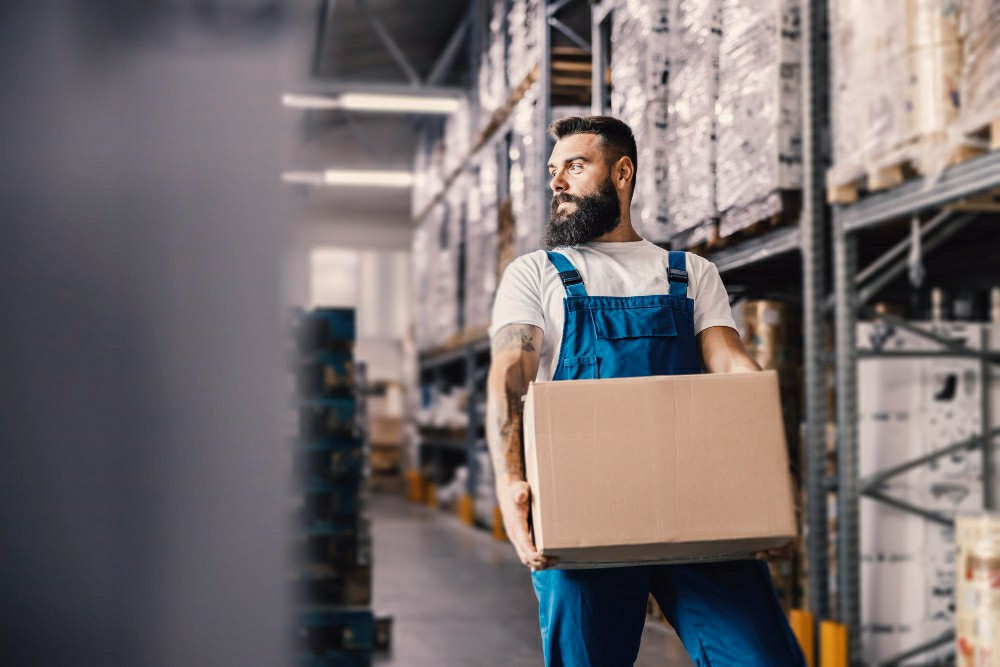
Manual handling refers to the transportation or support of a load by hand or bodily force. This includes actions such as lifting, pushing, pulling, carrying, or moving items. Given that many workers engage in manual handling as a part of their daily tasks, proper training is essential to minimize the risk of injury.
The Importance of Manual Handling Industrial Training
In the industrial environment, workers are often required to lift heavy loads, operate machinery, and comply with stringent safety standards. Without appropriate training, they risk serious injuries, including musculoskeletal disorders (MSDs) that can lead to long-term health issues and affect productivity. Here’s why investing in certified manual handling industrial training is vital:
- Improved Safety: Employees trained in safe manual handling techniques are less likely to suffer injuries.
- Compliance with Regulations: Organizations must adhere to health and safety legislation, which mandates proper training protocols.
- Increased Efficiency: Trained employees can handle goods more quickly and effectively, reducing downtime.
- Enhanced Team Morale: A commitment to safety fosters a supportive work environment, boosting employee confidence and morale.
Specific Needs of Industrial Staff, Nurses, and Healthcare Workers
While all employees in industrial settings benefit from manual handling training, specific professions, such as nurses, healthcare workers, and others, have unique requirements:
Healthcare Workers
Nurses and caregivers frequently engage in manual handling when assisting patients. Proper training ensures they can:
- Safely assist patients with mobility needs, such as lifting or transferring between beds.
- Reduce the risk of back injuries that are common in the healthcare sector.
Industrial Staff
Industrial employees often manage large, heavy items. Training prepares them to:
- Understand the proper lifting techniques to prevent injuries.
- Utilize equipment like forklifts and trolleys effectively to minimize physical strain.
Where to Find Manual Handling Industrial Training in Ireland
Finding a provider for manual handling industrial certification in Ireland is essential for organizations looking to enhance their safety practices. Consider factors such as:
- Accreditations: Ensure the training provider is certified and has a good reputation.
- Course Content: The curriculum should cover the latest manual handling techniques and safety protocols.
- Online Options: Look for manual handling industrial training online to facilitate flexibility for your staff.
Conclusion
Manual handling industrial safety training is not just a regulatory requirement; it represents a commitment to workplace safety and employee well-being. By investing in certified manual handling industrial training, employers safeguard their workforce while enhancing overall productivity.
For more information on how to implement effective manual handling training at your workplace, visit Irish Manual Handling or contact us at [email protected].