Understanding the Role of Manual Handling Assessment in Irish Work Environments
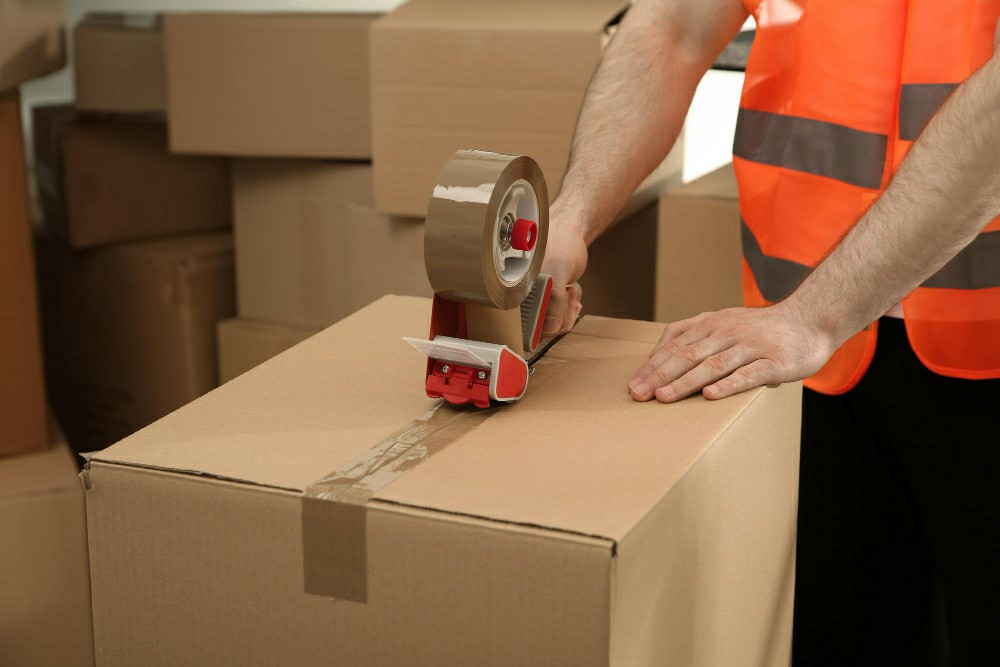
Manual handling is a pivotal aspect of many jobs in Ireland, especially in sectors like healthcare, logistics, and construction. To ensure safety and compliance, conducting a manual handling assessment is essential. This blog will delve into the significance of manual handling assessments, how they fit into training programs, and their importance for workplace safety.
What is Manual Handling Assessment?
A manual handling assessment evaluates how tasks are performed to identify risks associated with lifting, carrying, and moving objects. This assessment not only helps in identifying hazards but also aids in designing effective training programs.
The Importance of Assessments
- Risk Identification: Assessing tasks helps identify potential risks that could lead to injury.
- Skill Evaluation: Assessments also gauge employees' skills in manual handling, ensuring they know safe practices.
- Compliance Requirements: Many sectors require compliance with health and safety regulations, making assessments a critical part of training.
Benefits of Manual Handling Training with Assessment
Incorporating assessments into manual handling training provides several advantages:
- Enhanced Safety: Proper training reduces the risk of accidents and injuries.
- Improved Productivity: When employees are trained well, they perform tasks more efficiently.
- Confidence Boost: Well-trained individuals are more confident in their abilities, contributing to overall workplace morale.
Types of Manual Handling Assessments
There are various types of assessments that can be done:
- Manual Handling Risk Assessment: Identifying specific risks related to manual handling tasks.
- Manual Handling Skills Assessment: Evaluating employees' skills in performing manual handling tasks safely.
- Manual Handling Evaluation and Assessment: Comprehensive evaluation of both risk factors and skill levels.
Implementing Manual Handling Assessments in the Workplace
To successfully implement manual handling assessments, companies should follow these steps:
- Conduct an Initial Assessment: Identify the manual handling tasks performed in the workplace.
- Identify Risks: Use the assessment to identify any risks associated with these tasks.
- Develop Training Programs: Create training that addresses the identified risks and incorporates hands-on practice.
- Regularly Review and Update: Continuous evaluation of manual handling practices to ensure ongoing safety.
Manual Handling Assessment Certification
Obtaining a manual handling assessment certification is crucial for both employers and employees. It demonstrates that the necessary training has been undertaken, compliance with regulations has been achieved, and workplace safety remains a priority.
Why Choose Us for Your Training Needs?
At Irish Manual Handling, we provide expert training that includes comprehensive manual handling assessment and certification:
- Affordable Training: Our courses are competitively priced, ensuring value for your investment.
- Comprehensive Program: Training includes practical assessments to evaluate skill levels.
- Accessible Online Options: Offering manual handling assessment online to reach a wider audience.
Conclusion
Conducting manual handling assessments is essential for any workplace in Ireland that involves physical handling tasks. These assessments identify risks, enhance employee skills, and ultimately foster a safer work environment. For affordable and comprehensive manual handling training with assessment, contact us at [email protected] or visit our website.