Understanding the Vital Role of Manual Handling Professional Training in Irish Healthcare
In recent years, the importance of manual handling professional training has come to the forefront, especially in the healthcare sector in Ireland. With a high volume of patient interactions requiring physical handling, specialized training has emerged as a crucial component of workplace safety. This blog post delves into the various aspects of manual handling professional training and its significance for professionals in healthcare settings.
What is Manual Handling?
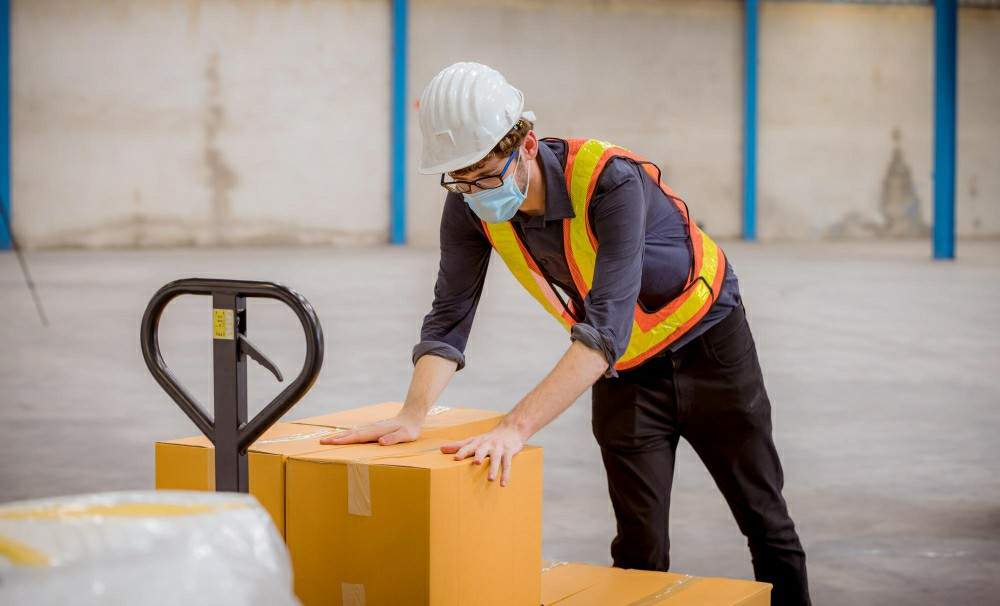
manual handling refers to any activity involving the transport of a load by physical effort. It includes lifting, lowering, pushing, pulling, or carrying. In healthcare, this could mean moving patients, handling equipment, or adjusting medical devices.
The Importance of Manual Handling Professional Training
Effective training not only improves safety but also enhances the efficiency and comfort of both healthcare professionals and their patients. Here are several reasons why training is essential:
- Ensuring Compliance: Irish law stipulates that employers must provide adequate training for employees to prevent workplace injuries. Failing to meet these standards can result in legal repercussions.
- Reducing Injury Risks: Healthcare workers often face the risk of musculoskeletal disorders due to improper lifting techniques. Training equips staff with the necessary knowledge to reduce these risks.
- Enhancing Patient Safety: Properly trained staff are less likely to drop patients or cause accidents during handling, contributing to overall patient safety and trust.
- Improving Workflow Efficiency: Enhanced manual handling techniques ensure smoother workflow and better time management within healthcare settings.
Target Audience: Who Needs Manual Handling Professional Training?
Training is not limited to any specific set of workers; ideally, all members of healthcare teams should participate. However, particular attention should be given to:
- Nurses: Constantly lift and move patients.
- Support Staff: Frequently handle medical equipment and supplies.
- Physiotherapists: Engage in lifting techniques for rehabilitation.
- Home Care Workers: Often alone when handling patients in their homes.
Exploring Manual Handling Professional Training in Ireland
Irish organizations like Irish Manual Handling offer various training modules designed to suit different needs, including manual handling professional certification, manual handling professional safety training, and more. Here’s what you can expect:
- Comprehensive Curriculum: Covering techniques, regulations, ergonomic principles, and risk assessments.
- Flexible Training Options: Including manual handling professional training online for convenience.
- Certification: Outcome includes a certificate verifying successful completion.
Benefits of Certified Manual Handling Professional Training
Obtaining certified manual handling professional training offers numerous benefits, both short-term and long-term:
- Increased Employee Morale: Staff feel more skilled and confident.
- Insurance Benefits: Some insurance providers offer lower premiums for businesses that invest in safety training.
- Attraction of Talent: Prospective employees favor workplaces emphasized on training and safety.
Conclusion
The integration of manual handling professional safety training is indispensable in today’s healthcare environment. As the healthcare sector in Ireland continues to evolve, it is crucial for all healthcare workers—whether in Dublin, Cork, Galway, or any other region—to prioritize specialized training. Not only does it promote a safe working environment, but it also enhances overall patient care.
For more information on manual handling professional certification in Ireland, or to enroll in training programs, contact us at [email protected].