Unlocking Competence with a Practical Manual Handling Course in Ireland
Manual handling is a critical skill in numerous industries, ensuring safety and efficiency in a workplace. In Ireland, practical manual handling courses have become essential for organizations seeking to enhance employee capabilities. This article discusses the benefits of taking a practical manual handling course in Ireland, focusing on hands-on methods and real-world application.
Why Manual Handling Matters
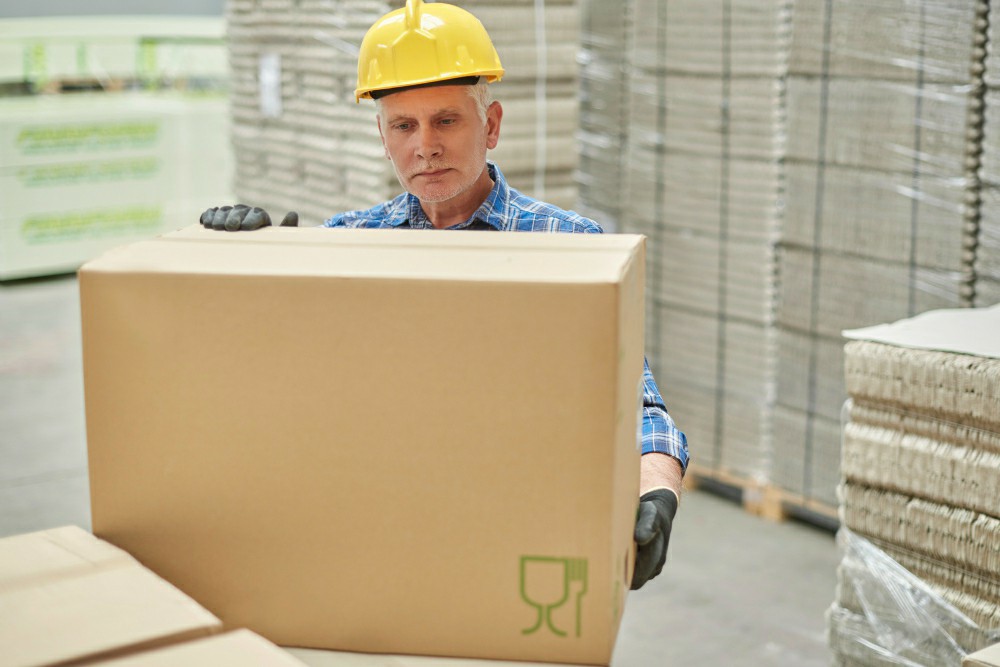
Manual handling encompasses a variety of actions, such as lifting, carrying, pushing, and pulling objects. Understanding proper techniques is crucial for several reasons:
- Prevention of Injuries: The primary goal of manual handling training is to reduce the risk of musculoskeletal injuries, which are common in workplaces.
- Enhanced Productivity: Properly trained employees can perform tasks more efficiently, contributing to overall productivity.
- Compliance with Regulations: Many industries in Ireland are subject to health and safety regulations that require manual handling training.
Benefits of Practical Manual Handling Courses
Engaging in a practical manual handling course in Ireland provides a myriad of benefits:
1. Hands-On Learning
Practical manual handling courses offer valuable hands-on experience. By participating in simulations and real-world scenarios, trainees gain insight into effective lifting techniques, posture improvements, and the use of equipment designed to assist in manual handling tasks.
2. Affordability and Accessibility
The financial aspect of training can be a concern for many businesses and individuals. Fortunately, practical manual handling training options across Ireland are designed to be affordable without compromising quality.
Many training providers offer flexible payment plans or special rates for group enrollments, making these courses accessible regardless of budget constraints.
3. Certification that Counts
Upon successful completion of a practical manual handling certification course, participants receive a recognized qualification that demonstrates their competence. This certification is valuable for both employers and employees, showcasing a commitment to health and safety in the workplace.
4. Local Focus and Convenience
Practical manual handling courses are available in major cities like Dublin, Cork, and Galway, making it easier for attendees to find a course close to home. This convenience is critical for busy professionals seeking to enhance their practical skills without extensive travel disruptions.
5. Online Training Options
For those who may prefer a remote learning environment, several accredited institutions now offer online practical manual handling training. This flexibility caters to varying learning preferences and schedules, ensuring that anyone can gain the necessary skills regardless of their location.
Choosing the Right Course
When selecting a practical manual handling training program, consider the following:
- Accreditation: Ensure the training provider is accredited and offers recognized certification.
- Curriculum: Look for courses that cover a comprehensive range of manual handling techniques aligned with your specific needs.
- Delivery Method: Decide whether you prefer traditional classroom settings or online practical manual handling training.
- Reviews and Testimonials: Research feedback from past participants to gauge the efficacy of the training offered.
Conclusion
Opting for a practical manual handling course in Ireland not only enhances individual competence but also contributes significantly to workplace safety and productivity. With accessible training options across the country, including hands-on practical sessions and affordable rates, mastering manual handling skills has never been more achievable.
To discover more about our practical manual handling training programs across Ireland, or for any inquiries, feel free to contact us at [email protected].