Unlocking Food Safety in Ireland: The Essential Role of HACCP Training and Certification
In the fast-paced food industry, ensuring safety and compliance with regulations is paramount. In Ireland, HACCP (Hazard Analysis Critical Control Point) training has emerged as a cornerstone for food businesses. With an increasing focus on food safety standards, especially in vital cities like Dublin, Cork, Galway, Limerick, Waterford, and Belfast, understanding the principles of HACCP and obtaining HACCP certification is essential for restaurant owners, catering professionals, and food service managers.
What is HACCP?
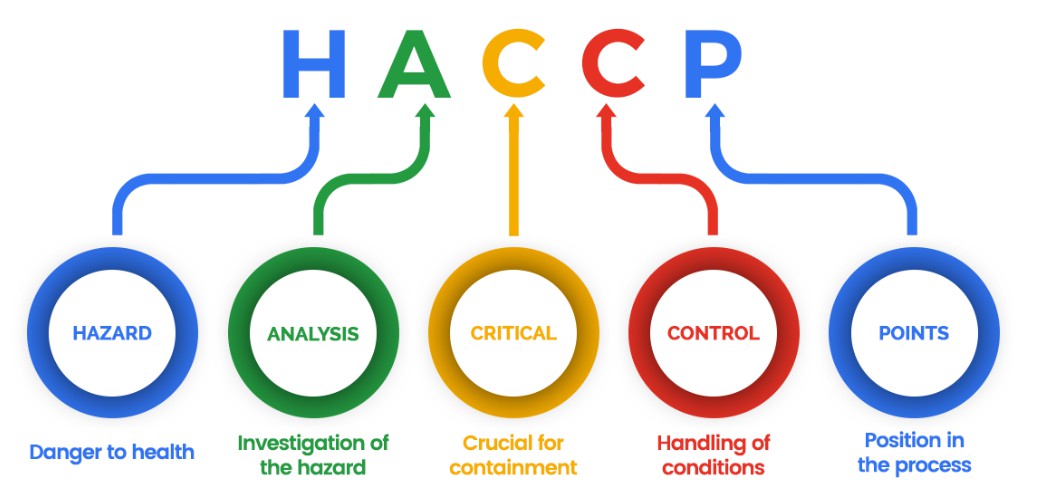
HACCP stands for Hazard Analysis Critical Control Point, a systematic preventive approach to food safety. It focuses on identifying and controlling potential hazards throughout the food production process. From delivery to preparation, cooking, and serving, the HACCP principles apply to various stages, helping mitigate risks associated with food contamination. This structured method not only protects public health but also assures compliance with Irish and EU food safety regulations.
The Importance of HACCP Training
Implementing HACCP protocols requires proper training. Food safety managers and handlers must acquire essential skills through HACCP training courses that cover the fundamental principles and practical applications of HACCP. Here’s why it’s crucial:
- Compliance with Food Safety Laws: HACCP training ensures understanding of legal obligations under Irish and EU food safety laws. Compliance helps avoid heavy penalties and ensures a smooth operation.
- Protection of Public Health: By training staff on HACCP, businesses can significantly reduce the incidence of foodborne illnesses, safeguarding consumers’ health.
- Enhanced Reputation: Certification showcases a commitment to food safety, fostering customer confidence and enhancing a business's reputation in the community.
Key Principles of HACCP
Understanding the seven HACCP principles is vital for effective implementation:
- Conduct a Hazard Analysis: Identify potential hazards that could occur in the food production process.
- Determine Critical Control Points (CCPs): Establish checkpoints in the process to prevent, eliminate, or reduce food safety hazards.
- Establish Critical Limits: Set maximum and minimum limits for each CCP to ensure safety.
- Establish Monitoring Procedures: Develop methods to monitor controlling measures at each CCP.
- Establish Corrective Actions: Determine actions taken when monitoring indicates a deviation from critical limits.
- Establish Verification Procedures: Create procedures for verifying the HACCP system is working effectively.
- Establish Record-Keeping Procedures: Maintain accurate documentation to provide evidence of compliance.
How HACCP Certification Benefits Food Businesses
Achieving HACCP certification offers numerous advantages:
- Improved Food Safety Management: Implementing the HACCP process leads to enhanced management of food safety risks.
- Market Differentiation: Businesses displaying HACCP certification can distinguish themselves in a competitive market.
- Operational Efficiency: Regular training helps maintain high operational standards, reducing waste and improving profitability.
Online HACCP Training: A Flexible Option for Professionals
For many food business operators, online HACCP training provides a flexible solution. Online HACCP training courses are designed to accommodate busy schedules without compromising educational quality. With options ranging from HACCP Level 1 to Level 2 training, food handlers can learn essential skills at their own pace, ensuring comprehensive understanding and compliance.
HACCP Audits and Compliance: Best Practices
Regular audits are a critical component of HACCP compliance. Conducting these audits helps reinforce the importance of safety protocols among staff. Here’s how to prepare:
- Review documented procedures and records regularly.
- Identify areas for improvement and implement corrective actions.
- Train employees consistently to ensure they understand their roles in maintaining HACCP standards.
Conclusion: Take Action Today
The importance of HACCP training and certification cannot be overstated for food businesses in Ireland. By investing in this training, restaurant owners, catering professionals, and food handlers can ensure compliance with food safety regulations, protect public health, and enhance their business reputation.
Ready to make the change and elevate your food safety standards? Enroll in our comprehensive HACCP Training Course today and secure your HACCP certification. For direct inquiries, feel free to contact us at [email protected].