Unlocking Practical Manual Handling Skills: Your Pathway to Safety Success in Ireland
In today’s fast-paced workplace environment, where safety and efficiency are paramount, having the proper manual handling skills is essential. A practical manual handling course offers the hands-on training necessary to ensure that you and your team practice safe handling techniques effectively, reducing the risk of workplace injuries.
Why Manual Handling Training Matters
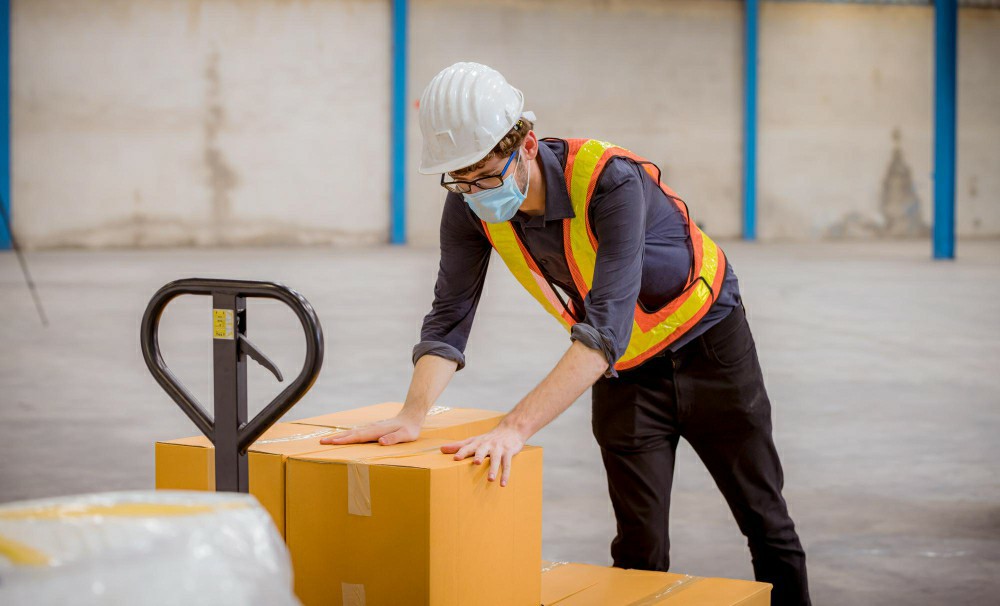
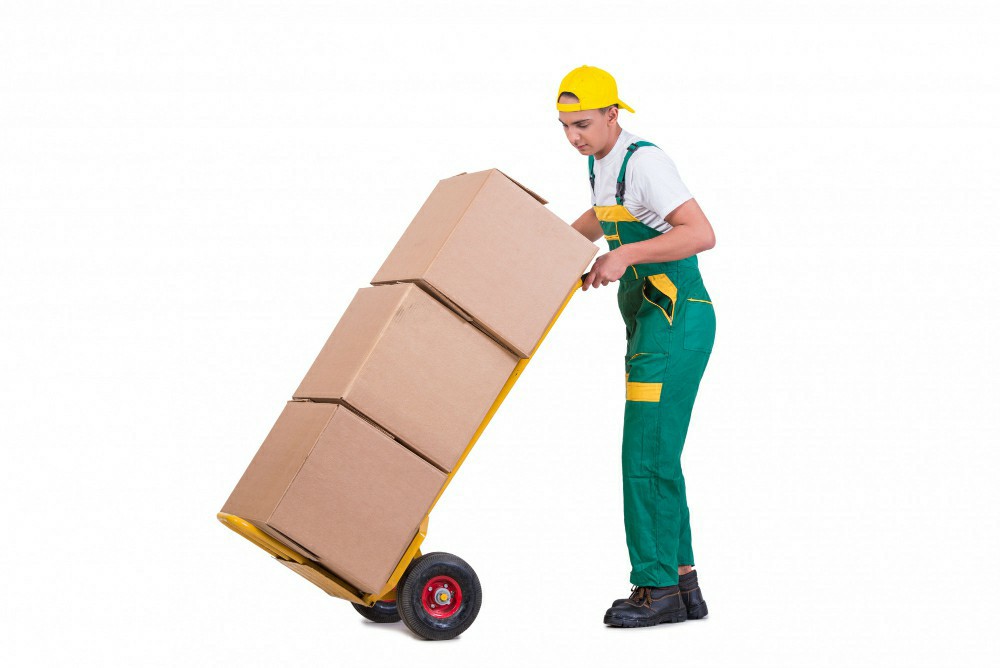
Manual handling refers to the process of lifting, carrying, pushing, or pulling a load. It is crucial for many professions in sectors like healthcare, construction, retail, and hospitality. The practical manual handling training provided in Ireland equips participants with critical knowledge and skills, enhancing workplace safety and productivity.
Understanding the Importance of Practical Skills
- Prevention of Injuries: Proper manual handling techniques significantly reduce the risk of injury, particularly musculoskeletal disorders.
- Compliance with Regulations: Organizations are legally required to provide training in manual handling, ensuring employees are aware of safe practices.
- Enhanced Productivity: Workers trained in practical manual handling are more efficient, leading to improved workflow and reduced downtime.
The Benefits of Choosing a Practical Manual Handling Course
1. Hands-On Learning Experience
One of the standout features of practical manual handling courses in Ireland is the emphasis on hands-on learning. Participants engage in practical exercises that mirror real-world scenarios, allowing them to:
- Practice techniques in a controlled environment.
- Receive immediate feedback from qualified instructors.
- Build confidence in their ability to handle various lifting and moving tasks.
2. Affordable and Accessible Training Options
Many organizations offer affordable practical manual handling training programs, making it accessible for individuals and companies alike. Various options are available:
- In-Person Training: Conducted at various locations across Ireland, including Dublin, Cork, and Galway.
- Online Training: Flexible online practical manual handling training sessions for those unable to attend in-person courses.
3. Certification for Career Advancement
Upon completing a practical manual handling certification course, participants receive a certificate acknowledging their proficiency. This certification is often recognized by employers and can enhance job prospects in numerous fields.
Choosing the Right Training Program
When selecting a practical manual handling training program, consider the following:
- Reputation: Research training providers to ensure they are reputable and accredited.
- Course Content: Ensure the training covers essential manual handling techniques and regulations.
- Location: Choose a course that is conveniently located or offers flexible online options.
Frequently Asked Questions
What does a practical manual handling course involve?
A typical course includes theoretical components about safe manual handling practices and hands-on training to practice the techniques learned.
How long does the training take?
Most practical manual handling training programs range from a few hours to a full day, depending on the level of detail covered.
Is certification necessary?
While not legally required for all jobs, having a manual handling certification can demonstrate competence and commitment to safety, making employees more attractive to potential employers.
Conclusion
Investing in a practical manual handling course is not just a legal obligation for employers but a crucial step toward fostering a culture of safety and efficiency in the workplace. With a variety of affordable and accessible options available across Ireland, enhancing your practical manual handling skills is within reach. Take the first step toward safer manual handling today!
For more information on practical manual handling training programs and to enroll in a course, visit Irish Manual Handling or contact us at [email protected].