Unlocking Safety: Why Working at Heights Training is Imperative for Every Business
In today’s fast-paced work environments, safety cannot be an afterthought, especially when it comes to tasks involving heights. Working at Heights training is a crucial investment for any business that prioritizes employee well-being, regulatory compliance, and operational efficiency. This article highlights key takeaways from Working at Heights training, showcasing why every employer should prioritize this essential safety standard.
Understanding Working at Heights Training
Working at Heights training equips employees with the necessary skills and knowledge to safely perform tasks at elevated levels. This encompasses a range of activities, from construction and maintenance work to logistics and warehouse operations. Key components of the training include:
- Identifying hazards associated with working at heights.
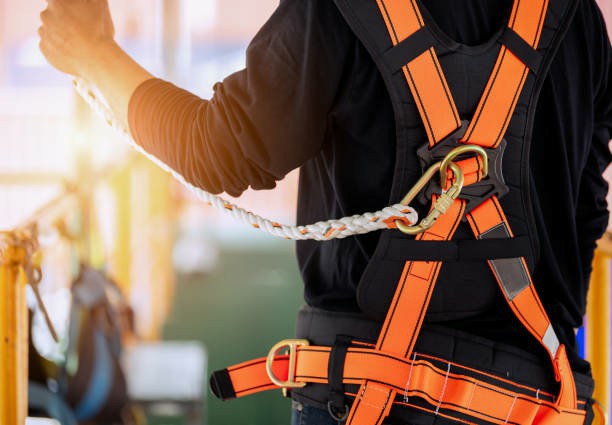
- Understanding the use of personal protective equipment (PPE).
- Conducting risk assessments and safety protocols.
- Emergency preparedness and response procedures.
Key Benefits of Working at Heights Training
Implementing a Working at Heights training program brings several significant advantages to companies:
1. Accident Prevention
The primary objective of any safety training is to prevent accidents. Falls from height are one of the leading causes of workplace injuries and fatalities. By providing employees with comprehensive training, businesses can substantially reduce the risk of falls and the associated outcomes:
- Decreased injury rates, fostering a safer workplace environment.
- Reduced medical costs and worker’s compensation claims.
- Improved employee morale due to enhanced safety culture.
2. Legal Compliance
Every company must adhere to stringent safety regulations. Failure to comply can lead to hefty fines and legal repercussions. Enrolling employees in certified Working at Heights training ensures:
- Compliance with occupational health and safety regulations.
- Minimized liability in the event of accidents.
- Documentation proving employees have been trained, which is crucial for audits.
3. Enhanced Workplace Efficiency
A workplace that emphasizes safety often sees a corresponding increase in productivity. Employees who have received Working at Heights certification tend to:
- Perform tasks more confidently and efficiently.
- Minimize downtime caused by accidents or safety incidents.
- Improve team cohesion as a result of shared safety commitment.
Training Content and Course Structure
Engaging in a Working at Heights course online allows workers to learn at their own pace while still receiving top-notch instruction. Key topics covered typically include:
- Types of equipment for working at heights, such as ladders, scaffolding, and harnesses.
- Safety measures for different environments like construction sites, rooftops, and warehouses.
- Practical exercises and simulations to reinforce learning.
Case Studies: Real-World Impact of Working at Heights Training
Successful implementation of Working at Heights training can be observed across various industries:
- Construction Site A: After mandating Working at Heights training, this company saw a 50% decrease in fall-related injuries within a single year.
- Warehouse B: By focusing on training, this organization improved overall safety ratings, positively influencing insurance premiums and company reputation.
Conclusion: Invest in Your Workforce's Safety
Prioritizing Working at Heights training is not just a regulatory obligation — it is a crucial investment in your employees’ safety and the overall effectiveness of your company. Programs like the Working at Heights Course provide the critical skills your workforce needs to operate efficiently and safely.
Companies that continually invest in certified Working at Heights training not only comply with legal standards but also pave the way for a more resilient, productive workforce. Protect your employees and your business by ensuring your team is adequately trained and prepared.
If you are interested in booking a certified Working at Heights Course, or if you would like to learn more, feel free to reach out to us at [email protected].