Unlocking Safety: Your Guide to Online Manual Handling Certification in Ireland
In today’s fast-paced work environment, ensuring employee safety is paramount. Manual handling, a significant aspect of many jobs, poses various risks that can lead to injuries. This blog post will explore the importance of Online Manual Handling Certification, focusing on injury prevention, compliance with health and safety regulations, and improving workplace efficiency through 100% online courses.
The Importance of Manual Handling Training for Workplace Safety & Compliance
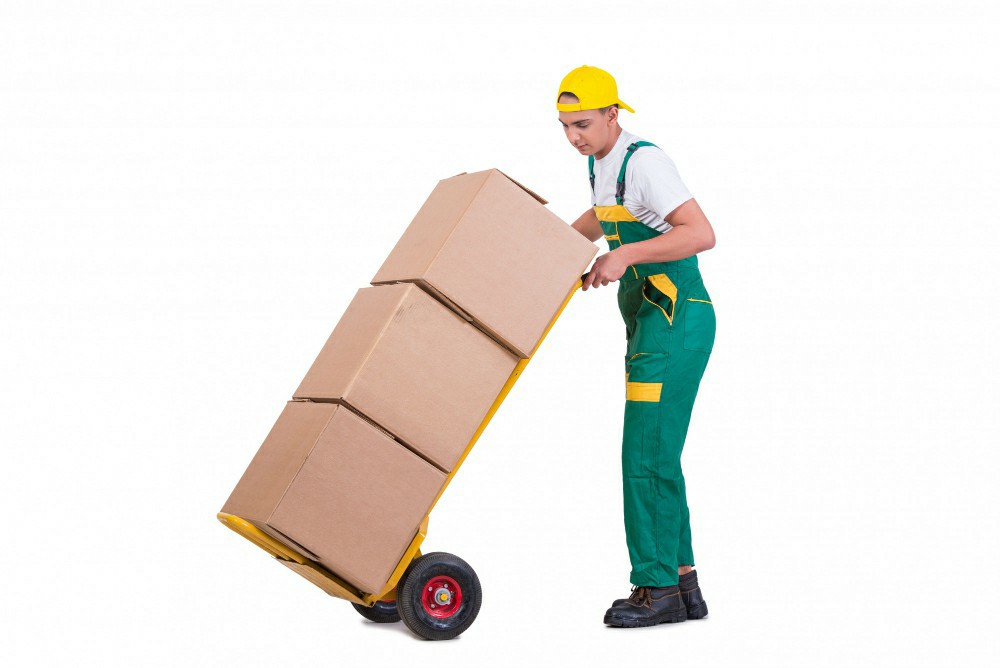
Manual handling refers to the transportation of goods or materials by human effort. This can range from lifting and carrying to pushing and pulling. Understanding the basic principles of manual handling is crucial for employees across various sectors, including construction, healthcare, and warehousing.
In Ireland, employers are legally required to train staff in safe manual handling practices. This obligation ensures that employees are equipped with the knowledge to prevent injuries, reduce workplace accidents, and comply with health and safety regulations.
Understanding Manual Handling Risks & Legal Requirements in Ireland
Employers must be aware of the Manual Handling Operations Regulations in Ireland, which outline the need for risk assessments and appropriate training. A well-structured manual handling training program helps to identify potential hazards and mitigate risks associated with manual tasks.
- Legal compliance in manual handling protects both employees and employers.
- Failure to comply can result in fines, legal action, and increased employee turnover.
- Implementing training reflects a commitment to employee welfare and safety.
Best Practices for Safe Lifting & Injury Prevention
Studies show that properly trained employees are less likely to suffer from manual handling injuries. Here are best practices to follow:
- Plan Your Lift: Always assess the load, the route, and your physical capabilities before proceeding.
- Use Correct Techniques: Use your legs for lifting rather than your back, keeping the load close to your body.
- Look for Assistance: If a load is too heavy or awkward, don’t hesitate to ask for help.
- Employ Ergonomic Principles: Use tools or equipment designed for manual handling when possible.
The Benefits of Online Manual Handling Certification for Employees & Employers
Switching to online manual handling training presents numerous benefits:
- Flexibility: Employees can complete the training at their own pace, fitting it into their schedules.
- Accessibility: Online courses can be accessed from anywhere, allowing remote team members to participate.
- Cost-Effective: Reduce training costs associated with in-person sessions such as travel and venue expenses.
- Instant Certification: Upon completing the course, employees can receive their certifications immediately.
How to Get Certified in Manual Handling Online: A Step-by-Step Guide
Obtaining your Manual Handling Certification online is straightforward:
- Choose a Recognized Course: Look for accredited providers that offer tailored manuals handling courses to ensure quality.
- Register for the Course: Sign up and create an account on the training platform.
- Complete the Modules: Engage with interactive content and video lessons on safe handling techniques.
- Take the Assessment: After studying, successfully complete the assessment quiz to validate your understanding.
- Receive Your Certification: Upon passing the assessment, download your certificate, proving your compliance.
Why Online Manual Handling Training is More Effective & Cost-Efficient
Online training not only reduces costs for employers but also enhances learning potential:
- Participants can revisit training materials as needed, aiding retention.
- They can learn in a safe environment without the risk of injury.
Common Workplace Injuries & How Manual Handling Training Helps Prevent Them
Common injuries from improper manual handling include:
- Musculoskeletal disorders (MSDs)
- Back pain and strains
- Repetitive strain injuries
Proper training equips employees with the skills needed to handle materials safely, reducing the likelihood of these injuries.
Best Practices for Safe Manual Handling Across Various Industries
Different industries face unique manual handling challenges:
- Construction: Emphasis on lifting techniques and risk assessment of tools.
- Healthcare: Focus on moving patients with care to avoid injury to staff and patients alike.
- Warehousing: Prioritize using equipment such as forklifts and pallet jacks to minimize manual handling.
- Office Work: Teach ergonomic practices for lifting and moving office supplies or furniture.
Conclusion & Call to Action
Manual handling certification is not just a legal requirement; it’s a vital part of maintaining a safe and efficient workplace. With fully online courses available, obtaining certification has never been easier.
Don’t wait until it’s too late! Enroll in our Online Manual Handling Course today and ensure compliance while promoting safety and efficiency in your workplace.
For inquiries, please reach us at [email protected].