Unlocking Workplace Safety: The Critical Role of Online Manual Handling Certification in Ireland
In today’s fast-paced work environment, ensuring safety and compliance is more crucial than ever. Manual handling, a common yet often overlooked aspect, is a key focus area where poor practices can lead to significant injuries and legal repercussions. In Ireland, businesses are increasingly turning to online manual handling certification programs to ensure their employees are well-equipped with the necessary skills and knowledge.
The Importance of Manual Handling Training
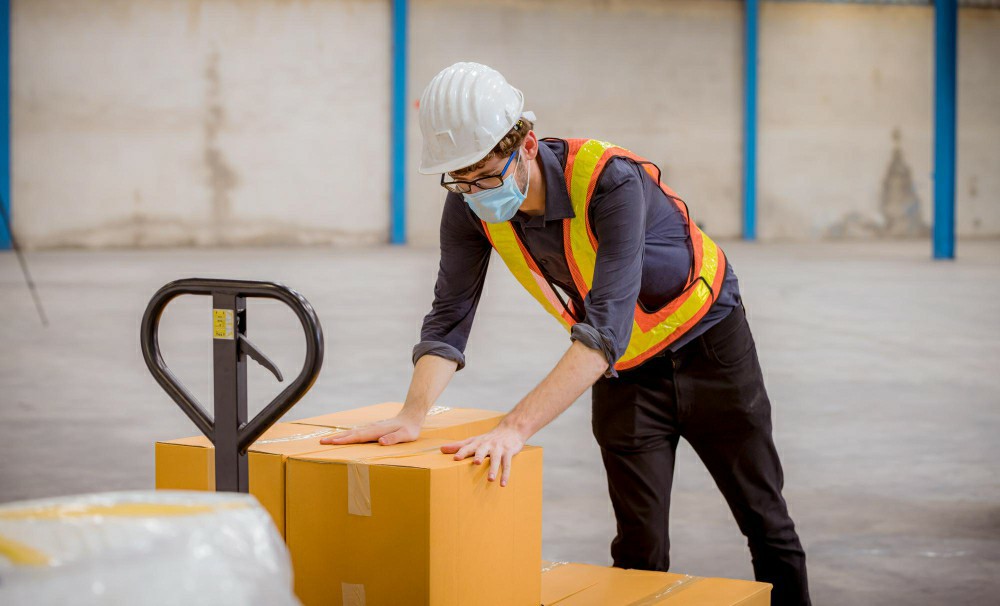
Every year, manual handling accounts for a significant percentage of workplace injuries. From warehouse staff lifting heavy boxes to healthcare professionals moving patients, the need for effective training is universal. Let’s delve into why manual handling training in Ireland is essential.
- Legal Compliance: Employers have a legal obligation to provide a safe working environment. Under the Safety, Health and Welfare at Work Act, it’s vital for businesses to provide adequate manual handling training to minimize risks.
- Injury Prevention: Proper manual handling techniques significantly reduce the risk of musculoskeletal injuries. Training helps employees understand how to lift safely and recognize their limits.
- Workplace Efficiency: Well-trained staff can work more effectively, decreasing downtime and increasing productivity. Knowledge of safe lifting practices leads to smoother operations.
Understanding Manual Handling Risks & Legal Safety Requirements in Ireland
Numerous sectors across Ireland are affected by manual handling regulations. Employees in construction, healthcare, and logistics frequently engage in activities that require proper lifting techniques. Understanding these risks is the first step toward mitigation:
Common Risks
- Repetitive strain injuries
- Back injuries
- Injuries due to awkward postures
- Slips, trips, and falls associated with manual handling
Best Practices for Safe Lifting & Injury Prevention in the Workplace
Implementing safe lifting techniques is vital in preventing workplace injuries:
- Plan the Lift: Assess the load and environment before lifting.
- Keep Your Feet Apart: Maintain a stable base to support your back.
- Use Your Legs: Bend your knees and keep your back straight when lifting upwards.
- Avoid Twisting: Move your feet instead of twisting your body.
The Benefits of Online Manual Handling Certification for Employees & Employers
Online training courses provide a flexible, efficient way to ensure all employees receive necessary training:
- Flexibility: Employees can complete their training at their own pace and convenience, reducing disruption to daily operations.
- Cost-Effectiveness: Online training eliminates the need for physical classroom space and can be scaled easily for large teams.
- Comprehensive Learning: Well-structured courses provide valuable insights through engaging formats, including videos, quizzes, and interactive scenarios.
How to Get Certified in Manual Handling Online: A Step-by-Step Guide
Getting certified in manual handling through online courses is straightforward:
- Select a Reputable Course: Look for accredited online manual handling training that meets Irish legal requirements.
- Enroll: Sign up and create an account.
- Participate: Complete the course modules at your own pace.
- Assessment: Pass the assessment to obtain your certification.
- Receive Certification: Get your certificate via email or downloadable format.
Why Online Manual Handling Training is More Effective & Cost-Saving
Shifting to an online training model not only ensures compliance with safety regulations but also offers distinct cost savings and efficiencies:
- No Travel Costs: Eliminate expenses associated with commuting to training sessions.
- Lower Training Costs: Online platforms often offer subscription models, allowing for scalable training across teams.
- On-Demand Access: Employees can revisit course materials as needed, enhancing retention and understanding.
Common Workplace Injuries & How Manual Handling Training Helps Prevent Them
Understanding the types of injuries common in manual handling tasks can highlight the importance of training:
- Back Pain: Often caused by improper lifting; training can teach proper techniques.
- Shoulder Injuries: Result from lifting in awkward positions; training can help identify safe postures.
- Repetitive Strain Injuries: Often preventable through proper ergonomics and lifting techniques.
Best Practices for Safe Manual Handling Across Different Industries
Each industry may face unique challenges related to manual handling. Here are some industry-specific practices to consider:
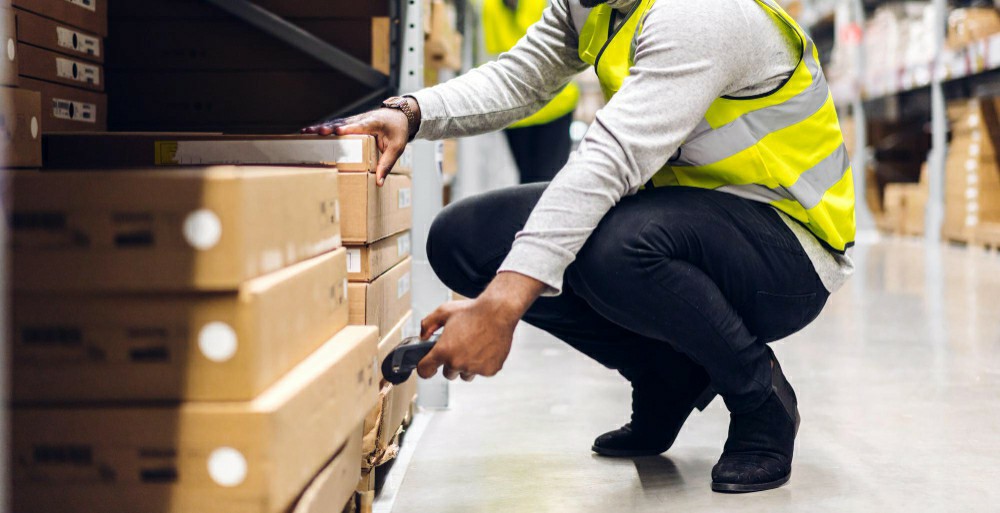
- Warehouse: Implement mechanical aids for lifting heavy items.
- Healthcare: Train in patient lifting techniques using proper equipment.
- Construction: Develop strategies for lifting materials that reduce bending and twisting.
Conclusion & Call to Action
Investing in online manual handling certification is not merely a legal obligation; it's a crucial step toward ensuring a safer, more efficient workplace. By enrolling in an online course today, you prioritize the health and safety of your employees while enhancing overall productivity. Contact us at [email protected] to learn more about our training options.