Why Accreditation is Critical for Effective Working at Heights Training
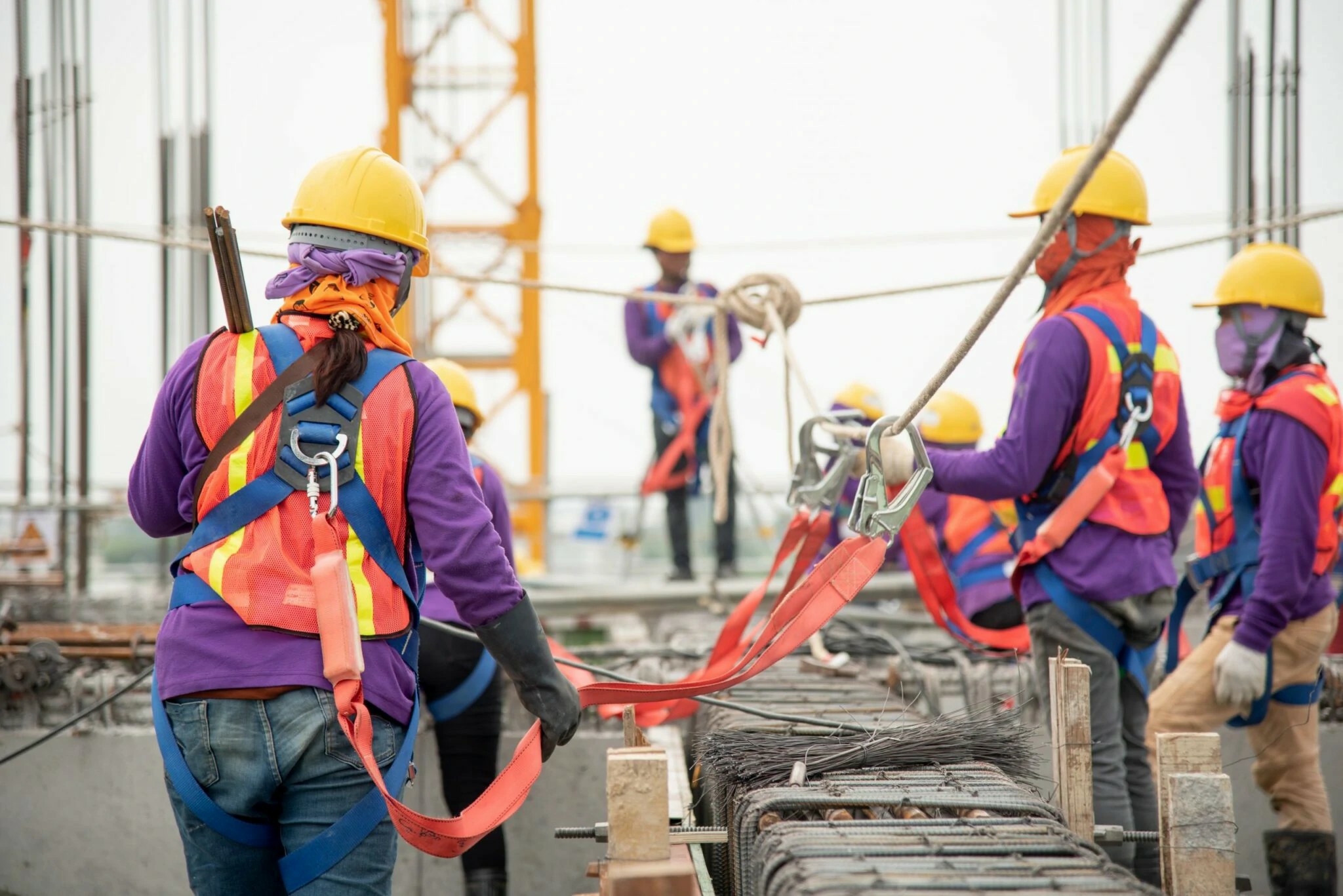
In the rapidly evolving world of workplace safety, ensuring that your employees possess the necessary skills and knowledge to work safely at heights is non-negotiable. This is where accredited Working at Heights training comes into play. Choosing an accredited course is essential for businesses looking to improve worker safety, guarantee compliance with industry regulations, and avoid potential penalties. In this article, we will delve into why investing in accredited training is a strategic decision for any organization.
The Importance of Accreditation
Accreditation is a formal recognition that a training provider meets specific national and international education standards. When it comes to Working at Heights courses, choosing an accredited provider, such as one approved by the Health and Safety Authority (HSA), Health and Safety Executive (HSE), or the Royal Society for the Prevention of Accidents (RoSPA), ensures that the training received is both thorough and legitimate.
Why HSA, HSE, and RoSPA Approval Matters
- HSA Approval: The HSA is the authority in Ireland for workplace safety. Courses accredited by the HSA are developed in alignment with the latest safety regulations, ensuring that the training fulfills the legal obligations expected of employers.
- HSE Accreditation: The HSE establishes comprehensive health and safety protocols in workplaces. Training sanctioned by the HSE adheres to their strict guidelines, preparing employees for real-world situations they may encounter while working at heights.
- RoSPA Certification: RoSPA is a distinguished body that promotes safety at work and leisure. An accredited Working at Heights Certification from RoSPA signifies high-quality training that emphasizes proactive safety measures and risk management.
The Benefits of Accredited Training
Investing in certified Working at Heights training offers numerous advantages that extend beyond mere compliance:
- Industry Compliance: Accredited courses ensure that your business adheres to local and international safety regulations, minimizing the risk of legal issues.
- Improved Worker Safety: Employees trained by accredited programs are better equipped to recognize hazards and follow safety procedures, directly reducing workplace incidents.
- Legally Recognized Certification: Certificates from accredited courses hold more weight with regulators and clients, enhancing your company’s reputation.
- Reduced Insurance Premiums: With a reduced occurrence of accidents, businesses might benefit from lower premiums on workplace safety insurance.
- Enhanced Employee Morale: Providing proper training demonstrates a company’s commitment to employee safety, leading to increased job satisfaction and retention.
The Risks of Non-Accredited Training
Opting for non-accredited training can introduce several risks:
- Compliance Failures: Without accreditation, there’s no assurance that the training meets legal requirements, potentially exposing businesses to penalties.
- Inadequate Training: Non-accredited courses may lack essential components, leaving employees unprepared for real-life scenarios.
- Liability Issues: Companies that do not educate their workers properly may face legal ramifications in the event of an accident.
Case Studies: Success through Accredited Training
Let’s look at a couple of examples where accredited training made a significant impact:
- Construction Company in Dublin: After investing in HSA-approved training for their workers, a Dublin-based construction company saw a 40% reduction in workplace incidents over a year, leading to increased productivity and lower insurance costs.
- Warehouse in Galway: A Galway warehouse that implemented RoSPA-accredited training reported enhanced employee confidence, fostering a more proactive culture around safety and leading to fewer near-misses.
Conclusion: Make the Right Choice for Your Workforce
In an industry where safety cannot be compromised, accredited Working at Heights training stands out as a necessary investment. By choosing accredited courses, businesses can ensure compliance, improve operational safety, and foster a positive reputation in their respective industries. Don't take chances—make the informed decision today.
Contact Us Today!
If you’re ready to invest in your workforce's safety, consider accredited Working at Heights courses. For more information, visit our course page or get in touch via email at [email protected].