


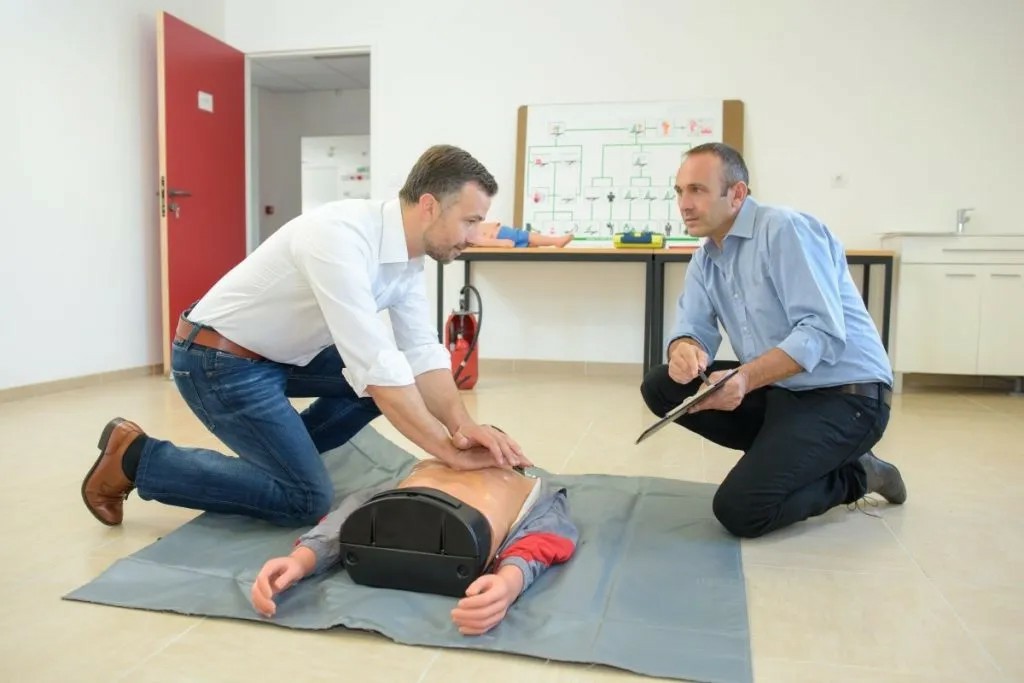
Why Comprehensive First Aid & CPR Training is Essential for Every Workplace in Ireland
In today’s fast-paced work environment, the safety and well-being of employees are top priorities for business owners and management. Comprehensive First Aid and CPR training plays a critical role in ensuring that workplaces across Ireland—especially in key cities like Dublin, Cork, Galway, Limerick, and Waterford—are prepared to handle emergencies swiftly and effectively. This blog post will delve into the key benefits of First Aid training, the importance of CPR skills, and how such training aligns with Ireland's workplace health and safety regulations.
The Vital Role of First Aid and CPR Training
Accidents and medical emergencies can happen at any time in the workplace. Having trained employees equipped with First Aid and CPR skills can save lives and minimize injuries. Whether it's a slip and fall, a choking incident, or a heart attack, a quick and effective response can be the difference between life and death.
Key Benefits of First Aid Certification
- Improved Employee Safety: Employees trained in First Aid and CPR can provide immediate assistance during emergencies, creating a safer workplace environment.
- Compliance with Health and Safety Regulations: In Ireland, employers are legally required to ensure that their workplaces adhere to health and safety standards, including having appropriately trained personnel.
- Boosts Employee Confidence: Training equips employees with the skills and knowledge to handle emergencies, thus enhancing their confidence and sense of security at work.
- Reduced Workplace Accidents: Comprehensive training can foster a culture of safety, reducing the likelihood of accidents through awareness and preparedness.
Essential CPR Techniques for Workplace Emergency Response
Cardiopulmonary resuscitation (CPR) is an invaluable skill that every employee should learn. Basic CPR techniques include:
- Assessing the Situation: Ensure the area is safe before approaching the victim.
- Opening the Airway: Tilt the head back slightly to open the airway.
- Giving Breaths: Provide two rescue breaths followed by chest compressions.
- Compression-Only CPR: For untrained bystanders, performing chest compressions at a rate of 100-120 per minute can be life-saving.
Ensuring Compliance with Workplace Health & Safety Regulations in Ireland
The Safety, Health and Welfare at Work Act mandates that employers must arrange appropriate First Aid assistance for employees. Enrolling in a First Aid training course can help your organization meet these legal obligations while also fostering a culture of care and preparedness.
Immediate Emergency Response: First Aid Procedures Every Employee Should Know
Having clear procedures in place is crucial for emergency readiness. Key procedures include:
- Assessing the Scene: Ensure safety before providing help.
- Calling for Help: If the situation is beyond your control, contact emergency services immediately.
- Providing Basic First Aid: Address any visible injuries or conditions until professional help arrives.
Comparing Online and In-Person First Aid Training Options
In today’s digital world, online First Aid courses offer flexibility and convenience. However, in-person training ensures hands-on experience, which is vital for mastering emergency skills. Each option has its merits, and organizations should consider what best meets their employees’ needs.
Reducing Workplace Accidents Through Effective First Aid Training
Regular training and refreshers can keep employees prepared and alert. Implementing ongoing training programs promotes a safe workplace and demonstrates a commitment to employee well-being.
Conclusion & Call to Action
Investing in First Aid and CPR training is not just a legal requirement; it's a moral obligation to ensure the safety of your employees. For businesses in Dublin, Cork, Galway, Limerick, and Waterford, prioritizing First Aid training can lead to a safer and more productive workplace. Don’t wait until it’s too late—enroll your team today in a comprehensive First Aid course. For inquiries, contact us at [email protected].



































