


Why First Aid Training is Essential for Workplace Safety and Emergency Preparedness
In today's fast-paced work environment, ensuring the safety and well-being of employees is a top priority for any business. One of the most impactful ways to achieve this is through comprehensive First Aid training and CPR certification. This blog post delves into why First Aid and CPR training are crucial for workplace safety, the benefits they offer, and how they empower employees to respond effectively during emergencies.
The Vital Role of First Aid Training in the Workplace
Workplaces can present numerous risks, from minor injuries to life-threatening situations. Having trained employees who can provide immediate First Aid response can mean the difference between a quick recovery and a serious health complication. Here are several reasons why investing in First Aid training is vital:
- Enhances Employee Safety: First Aid training equips employees with the skills needed to handle injuries or health emergencies, thereby creating a safer workplace.
- Fosters Confidence Among Employees: Employees certified in First Aid and CPR feel empowered and more confident in their ability to react during emergencies.
- Promotes a Culture of Safety: Regular training fosters an organizational culture that prioritizes health and safety, which can lead to reduced accidents.
Key First Aid Skills Every Workplace Should Prioritize
A comprehensive First Aid course covers essential skills that employees need to know. Here are some key skills that are often included:
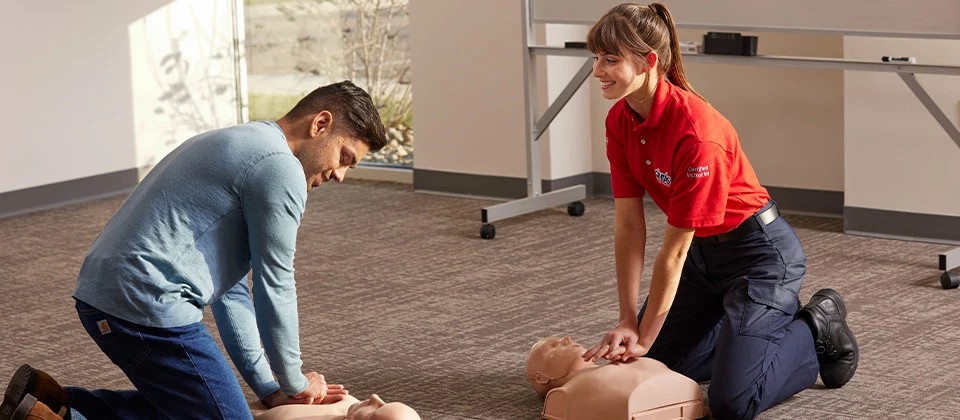
- CPR Techniques: Basic CPR techniques, including chest compressions and rescue breaths, are critical for saving lives in cardiac emergencies.
- Choking Relief: Knowing how to assist someone who is choking can prevent fatal outcomes.
- Wound Care: Skills in treating cuts, abrasions, and burns can significantly reduce infection risks.
- Recognition of Shock: Training in recognizing the signs of shock can expedite appropriate treatment protocols.
Understanding CPR: Life-Saving Techniques Every Employee Should Know
Cardiopulmonary resuscitation (CPR) is a crucial emergency procedure that can help save lives during cardiac arrests. Training in CPR involves learning:
- Compression Techniques: How to effectively perform compressions to keep blood circulating.
- Rescue Breaths: When and how to provide rescue breaths for victims.
- Using an AED: Training often includes the appropriate use of Automated External Defibrillators (AEDs).
Regulatory Compliance and Workplace First Aid Requirements
Employers must comply with various health and safety regulations, many of which mandate First Aid compliance. Training programs are designed to meet these legal requirements and help businesses avoid potential legal issues arising from workplace injuries. Ensuring that employees have current First Aid Certification can help mitigate risks and compliance concerns.
Benefits of First Aid Certification for Businesses and Employees
Investing in First Aid Certification brings multiple benefits:
- Improved Employee Morale: When employees feel safe and prepared, morale and productivity can improve.
- Reduced Liability: Companies with trained staff are less likely to face lawsuits arising from negligence in emergencies.
- Better Emergency Response: Trained employees can respond effectively, reducing response times during critical situations.
Emergency First Aid Procedures: Step-by-Step Guidelines
Understanding emergency procedures is essential for effective response. Here are some common situations and the recommended First Aid steps:
- Unconsciousness: Call for help, check for breathing, and start CPR if necessary.
- Severe Cuts: Apply pressure to stop bleeding and protect the wound with a clean bandage.
- Burns: Cool the burn under running water and cover it with a sterile dressing. Seek medical help for severe cases.
Choosing the Right First Aid Course: Online vs. In-Person Training
With the rise of digital learning, businesses often find themselves choosing between online First Aid courses and traditional in-person training. Here’s a comparison:
- Online First Aid Courses: Flexible scheduling, self-paced learning, and accessible anywhere.
- In-Person Training: Hands-on practice and immediate feedback from instructors, enhancing skill retention.
Final Call to Action
Incorporating First Aid training and CPR certification into your workplace safety program is not just a legal requirement; it's a commitment to employee well-being. Equip your team with essential emergency response skills today!
Enroll your team in a certified First Aid & CPR training course and enhance your workplace safety measures!
For more information, feel free to reach us at [email protected].



































