


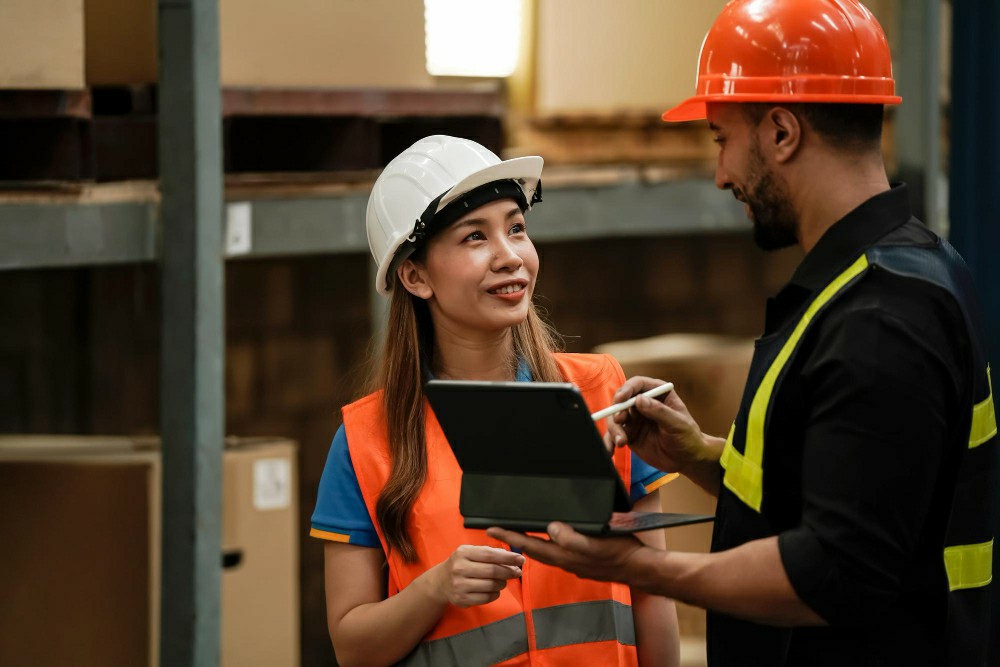
Why Manual Handling Certification Training is Essential for Employee Safety in Ireland
In Ireland, workplace safety is a top priority, especially in sectors such as healthcare, construction, and warehousing, where manual handling risks are prevalent. This blog post delves into the significance of manual handling certification training, emphasizing its benefits not only for employees but also for employers aiming to maintain a safe and compliant work environment.
Understanding Manual Handling Certification
Manual handling certification is a formal acknowledgment that an individual has undergone training to perform manual tasks safely and effectively. This certification is crucial for employees in various sectors, as it equips them with the necessary skills to minimize risks associated with manual handling. In Ireland, specific regulations mandate that organizations provide adequate training to ensure the health and safety of their workforce.
The Legal Framework of Manual Handling in Ireland
- The Safety, Health and Welfare at Work Act 2005 requires employers to ensure the safety and health of employees while at work.
- The Manual Handling Operations Regulations 1992 provides guidelines on the safe handling of loads.
- Failure to comply can lead to legal repercussions, including fines and increased insurance premiums.
The Importance of Manual Handling Certification Training
Certifying employees through manual handling certification training is essential for multiple reasons:
1. Reducing Workplace Injuries
Injuries related to manual handling are one of the most common workplace incidents. By offering training, employers can significantly reduce the incidence of:
- Sprains and strains
- Musculoskeletal disorders
- Long-term disability
2. Enhancing Compliance and Accountability
Obtaining certification ensures that both the employer and employee understand their responsibilities concerning manual handling tasks. This compliance works as evidence that the organization is proactive in safeguarding its staff, which can be beneficial during inspections or audits.
3. Fostering a Safety Culture
Investing in training demonstrates a commitment to employee well-being, fostering a culture where safety is prioritized. This positively impacts employee morale and retention rates.
Who Needs Manual Handling Certification Training?
Several professional sectors demand training, including:
- Healthcare workers (e.g., nurses and caregivers)
- Construction personnel
- Warehouse staff
- Delivery and logistics personnel
Flexible Training Options
Many training centers offer manual handling certification training online, making it accessible for individuals in Dublin, Cork, Galway, and beyond. Online formats allow for self-paced learning, ensuring that employees can balance training with their work schedules.
Choosing the Right Manual Handling Certification Training
When selecting a training course, consider the following factors:
- Accreditation: Ensure the training provider is recognized by relevant authorities.
- Content: The course should cover all aspects of manual handling, including risk assessments and safe lifting techniques.
- Methods: Verify the training includes practical demonstrations and assessments.
- Location: Look for local providers in Dublin, Cork, and Galway for convenience.
Conclusion
Investing in certified manual handling training is essential for businesses in Ireland, enabling organizations to protect their most valuable asset—their employees. With comprehensive training, businesses can enhance their safety standards, comply with legal regulations, and foster a productive workplace environment.
If you’re interested in learning more about our manual handling certification training in Ireland, feel free to reach out to us at [email protected] or visit our website at irish-manualhandling.ie.



































