Why Manual Handling Compliance Training is Essential for Irish Workplaces
In the fast-paced environments of today’s workplaces, ensuring the safety of employees is a top priority. In Ireland, manual handling compliance training is not just a legal requirement; it’s a critical component of workplace safety that prevents injuries, promotes a culture of safety, and ensures adherence to safety standards. This blog post will discuss the vital reasons why manual handling compliance training is essential for businesses across Ireland.
Understanding Manual Handling Compliance
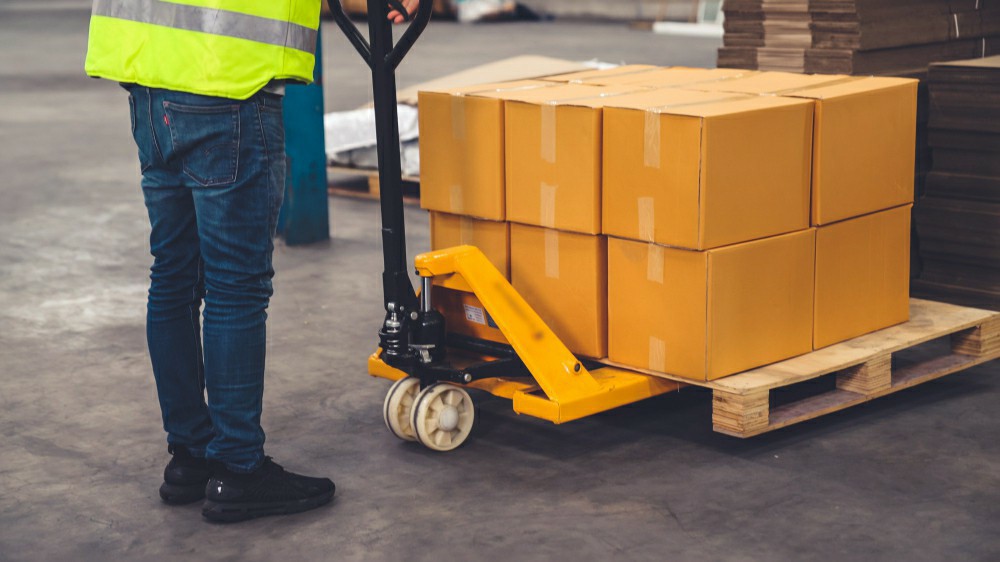
Manual handling refers to any activity that involves lifting, carrying, pushing, or pulling goods. In Ireland, the Health and Safety Authority (HSA) provides guidelines to manage the risks associated with manual handling tasks effectively. Failure to comply can lead to severe consequences for both employees and employers.
The Cost of Non-Compliance
- Legal Repercussions: Non-compliance with manual handling regulations can lead to hefty fines, legal actions, and additional scrutiny from regulatory bodies.
- Increased Workplace Injuries: Poor manual handling techniques lead to workplace injuries, resulting in lost productivity and increased compensation claims.
- Damage to Reputation: Companies known for poor safety standards may find it challenging to attract and retain talent.
Benefits of Manual Handling Compliance Training
Investing in certified manual handling compliance training offers a range of benefits:
1. Improved Safety Culture
A comprehensive training program fosters a culture of safety, where employees prioritize their health and the well-being of their colleagues.
2. Enhanced Employee Confidence
Training empowers employees with the knowledge and skills to perform manual handling tasks safely, reducing the likelihood of injuries.
3. Compliance with Irish Standards
Receiving a manual handling compliance certification in Ireland ensures that companies meet legal requirements, providing peace of mind for management.
4. Reduction in Work-Related Injuries
Statistics show that organizations that invest in manual handling training experience fewer injuries and accidents, leading to lower absenteeism rates.
How to Implement Manual Handling Compliance Training in Your Organization
Implementing an effective training program involves the following steps:
- Assess Training Needs: Evaluate the specific manual handling tasks employees perform and identify areas that require improvement.
- Select a Certified Training Provider: Choose a provider with a solid reputation and experience in delivering manual handling compliance training in Ireland.
- Schedule Training: Plan training sessions at convenient times to minimize disruption to daily operations.
- Monitor and Evaluate: After training, assess its effectiveness through employee feedback and observation of manual handling practices.
Online vs. On-Site Manual Handling Compliance Training
Many companies offer manual handling compliance training online, providing flexibility and convenience. However, on-site training has its benefits, allowing for hands-on practice and immediate feedback from an instructor. Businesses should consider factors like workforce size, logistics, and employee preferences when deciding on the training format.
Conclusion
Manual handling compliance training is essential for ensuring the safety of employees, particularly in sectors such as healthcare, construction, and warehousing. By prioritizing compliance training, organizations can protect their employees, improve workplace safety, and align with Irish safety regulations.
For more information about our certified manual handling compliance training programs in Dublin, Cork, and Galway, please visit Irish Manual Handling or contact us at [email protected].