Why Manual Handling Safety Training is Essential for Employee Wellbeing in Ireland
In today's fast-paced work environment, ensuring employee safety is not just a legal obligation but a moral one. Manual handling safety training plays a crucial role in safeguarding employees' health, particularly in sectors where heavy lifting and repetitive tasks are prevalent. This comprehensive guide will delve into why manual handling safety training is indispensable for both employees and employers in Ireland.
Understanding Manual Handling
Manual handling refers to the process of lifting, carrying, pushing, pulling, or moving objects. While these tasks may seem straightforward, improper techniques can lead to significant injuries, including musculoskeletal disorders, which account for a large percentage of workplace injuries in Ireland.
The Importance of Manual Handling Safety Training
- Risk Reduction: Proper training provides employees with the necessary skills to minimize risks associated with manual handling tasks.
- Compliance with Legislation: In Ireland, the Safety, Health and Welfare at Work Act 2005 mandates that employers provide training for their staff to ensure workplace safety.
- Cost Savings: Implementing effective training can reduce absenteeism, lower insurance premiums, and improve overall productivity.
Who Needs Manual Handling Safety Training?
While all employees benefit from manual handling safety training, particular groups are at higher risk. Healthcare workers, warehouse staff, and construction teams are common examples where specialized training is essential. Here’s a closer look:
Healthcare Workers
In the healthcare sector, professionals frequently lift patients or equipment. Training in safe techniques is crucial to prevent both employee and patient injuries.
Warehouse Staff
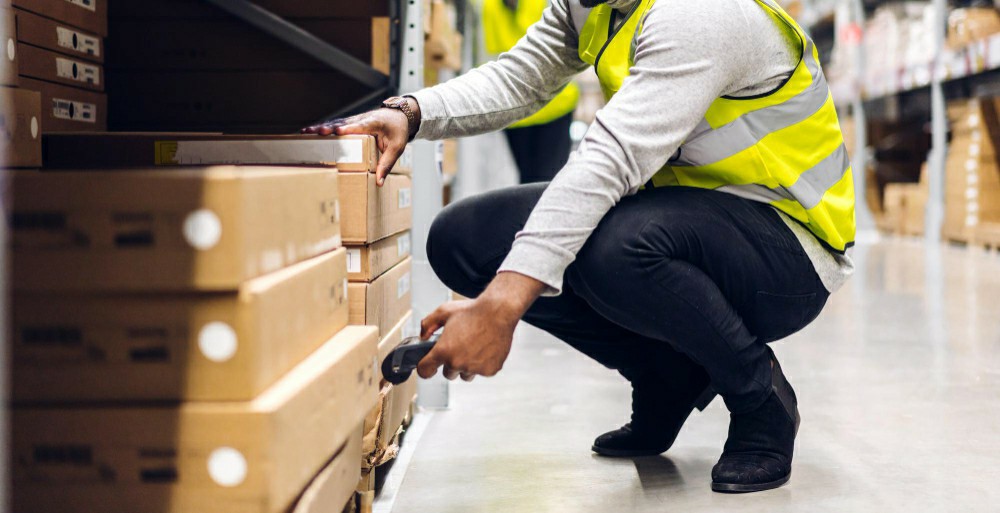
Those working in warehouses often handle multiple types of goods, necessitating knowledge of safe lifting practices to avoid back injuries.
Construction Professionals
Construction workers encounter heavy materials regularly, making it essential to implement proper manual handling procedures.
Benefits of Certification in Manual Handling Safety Training
Obtaining a certification demonstrates an organization's commitment to safety and equips employees with the skills needed for safe manual handling practices. Here are the key benefits:
- Confidence Building: Employees gain confidence in their ability to perform manual handling tasks safely.
- Enhanced Team Morale: A safer workplace contributes to improved morale amongst employees.
- Legal Assurance: Certification can help protect businesses from legal ramifications associated with workplace injuries.
Implementing Manual Handling Safety Training in Your Workplace
Employers looking to implement effective manual handling safety training should consider the following steps:
- Assess the Needs: Identify specific manual handling risks within your organization.
- Choose the Right Training Program: Look for certified manual handling safety training providers in Ireland. Consider options for online training for flexibility.
- Schedule Regular Refreshers: Continuous training helps maintain high safety standards.
Finding Certified Manual Handling Safety Training in Ireland
Many organizations offer manual handling safety training across various Irish cities, including Dublin, Cork, and Galway. If you’re looking for certified training that aligns with your compliance requirements, choose a provider with a strong reputation.
Conclusion
Manual handling safety training is not just about compliance; it's about fostering a culture of safety that protects employees and enhances productivity. By investing in certified training, organizations in Ireland can mitigate risks and ensure that their workforce is equipped with the essential skills for safe manual handling.
If you’re searching for manual handling safety training Dublin, reach out to us at [email protected] for more information on our training programs.