Why Manual Handling Skills Certification is Essential for Healthcare Workers in Ireland
In the demanding world of healthcare, the safety of both patients and staff is paramount. Manual handling skills are a fundamental component of this safety, especially in environments where the physical lifting or movement of patients is commonplace. This blog post explores the importance of manual handling skills certification and emphasizes the specialized training needed to ensure safe practices.
The Importance of Manual Handling Skills
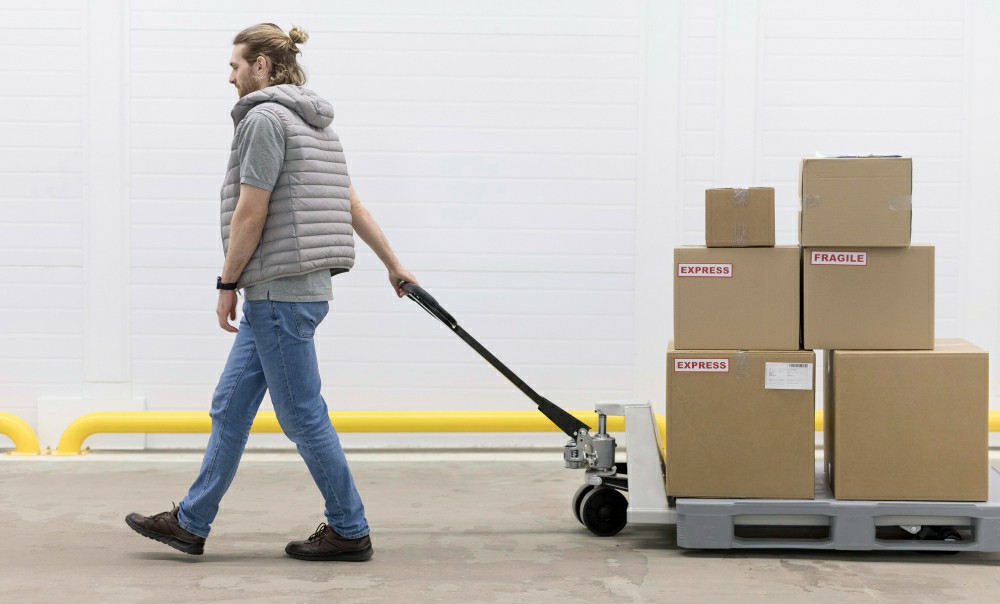
Manual handling refers to any transporting or supporting of a load, including lifting, putting down, pushing, pulling, carrying, or moving. It is estimated that improper manual handling practices contribute to a significant percentage of workplace injuries, particularly in healthcare settings.
Why Healthcare Workers Need Manual Handling Training
- Injury Prevention: Proper training reduces the risk of injuries such as musculoskeletal disorders.
- Patient Safety: Safe manual handling techniques help protect patients during lifts and transfers.
- Compliance with Regulations: Adhering to legal and safety regulations is crucial for healthcare facilities.
- Enhanced Confidence: Staff who are trained in manual handling feel more confident and competent in their roles.
Key Elements of a Comprehensive Manual Handling Skills Course
A typical manual handling skills course focuses on several vital areas. Understanding the theoretical foundations of manual handling—and how these apply to real-world scenarios—is crucial.
Course Content Overview
- Handling Theory: Participants learn about the anatomy of the body and the mechanics of safe lifting.
- Risk Assessment: Courses often include training on identifying potential hazards in the workplace.
- Practical Handling Techniques: Hands-on practice is essential. This includes techniques for lifting, transferring, and positioning patients safely.
- Safety Measures: Learning to implement safety measures prevents injuries and promotes a culture of safety.
The Benefits of Online Manual Handling Skills Training
The advent of technology has led to the emergence of manual handling skills online courses. These courses offer flexibility and accessibility for busy healthcare professionals.
Advantages of Online Training
- Flexibility: Healthcare workers can complete training modules at their own pace and schedule.
- Accessibility: Online training allows access from various locations, particularly beneficial for teams spread across different regions of Ireland.
- Interactive Learning: Many online courses incorporate videos, simulations, and quizzes to enhance engagement.
Certification Process
Upon successful completion of a manual handling skills course, participants typically receive a manual handling skills certification. This certification is essential for demonstrating that healthcare workers are trained and compliant with safety standards.
The Path to Certification
- Complete the required training modules.
- Participate in assessments or practical evaluations.
- Receive certification documents upon passing.
Continuing education and refresher courses are also recommended to keep skills current and aligned with best practices.
Conclusion
Investing in manual handling skills certification is not just a regulatory requirement; it is a commitment to providing a safe environment for both healthcare workers and patients. The safety and well-being of everyone involved hinge on mastering these essential skills. If you are looking for certified manual handling skills training, consider enrolling in a course today.
For more information on manual handling skills training, please visit Irish Manual Handling or contact us at [email protected].