Why Manual Handling Skills Training is Vital for Healthcare Workers in Ireland
In the demanding environment of healthcare, the safety of both employees and patients is paramount. Manual handling skills training has emerged as a critical area for healthcare professionals, including nurses, care workers, and emergency responders in Ireland. This comprehensive guide explores the significance of specialized manual handling skills training, the course content, and how this training ensures safety in healthcare settings.
The Importance of Manual Handling Skills in Healthcare
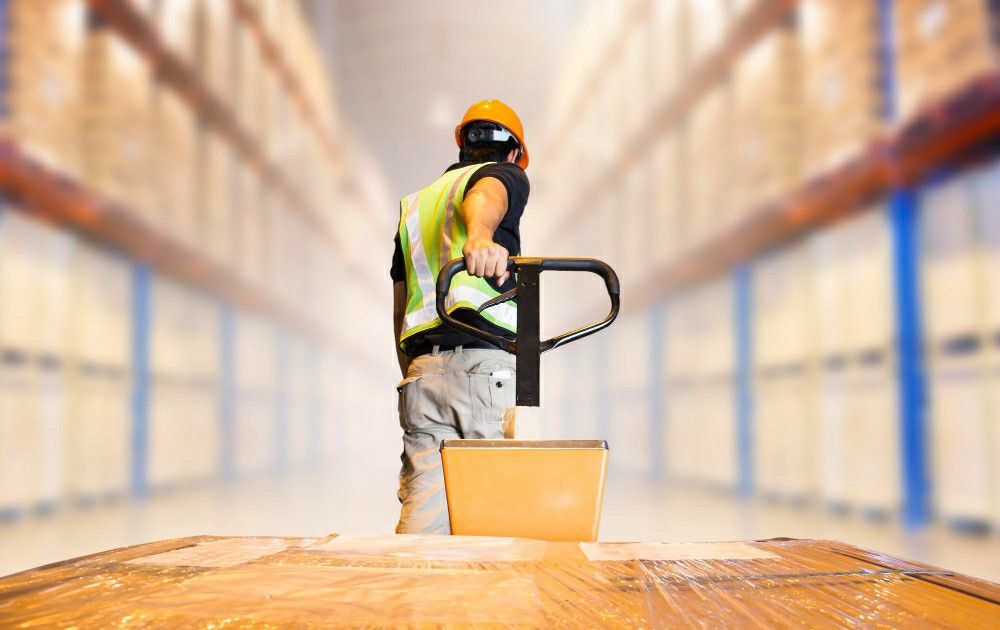
Manual handling involves safely transporting, lifting, and supporting patients. Inadequate training can result in serious injuries, impacting both staff performance and patient safety. Essential manual handling skills can help in:
- Reducing the risk of injury among staff and patients.
- Improving the quality of care provided.
- Ensuring compliance with health and safety regulations.
Key Components of Manual Handling Skills Training
Effective manual handling skills training encompasses various elements designed to equip healthcare workers with the knowledge and practical skills they need to conduct safe practices. Key course components include:
1. Handling Theory
Understanding the biomechanics of lifting and moving patients is critical. Training covers the principles of safe lifting and movement techniques, ensuring that healthcare professionals grasp the physical constraints of manual handling.
2. Risk Assessment
Healthcare environments present unique challenges. Courses emphasize conducting thorough risk assessments to identify potential hazards associated with patient handling. This includes evaluating the patient's condition, environment, and the equipment available.
3. Practical Handling Techniques
Participants engage in hands-on training sessions that cover various handling tasks, from lifting patients from beds to moving individuals in wheelchairs. Practical training allows healthcare workers to practice techniques in a controlled setting, promoting confidence and competence.
Benefits of Online Manual Handling Skills Courses
With the rise of digital learning, many organizations have begun offering manual handling skills courses online. The benefits of online training options are numerous:
- Flexibility: Healthcare professionals can train at their convenience, fitting courses into busy schedules.
- Accessibility: Online training is available from anywhere in Ireland, making it easier for those in remote areas.
- Comprehensive Resources: Participants can access a wealth of training materials, tutorials, and videos at their fingertips.
Certification Process for Manual Handling Skills
Upon successful completion of a manual handling skills training course, participants receive a Certified Manual Handling Skills Certification. This certification serves not just as proof of training, but as a commitment to maintaining high standards in patient care and safety. The certification process typically involves:
- Completing all training modules.
- Participating in practical assessments to validate skills.
- Passing a final exam, ensuring comprehensive knowledge of handling techniques.
Conclusion
Investing in manual handling skills training is essential for healthcare workers in Ireland. The benefits of improved safety, compliance with regulations, and delivering high-quality patient care cannot be overstated. As the healthcare environment continues to evolve, all professionals must stay informed and equipped with the latest skills and practices. For inquiries or to enroll in a certified manual handling training course, please contact [email protected] or visit Irish Manual Handling.