Why Manual Handling Training ie is Imperative for Medical Staff in Ireland ie
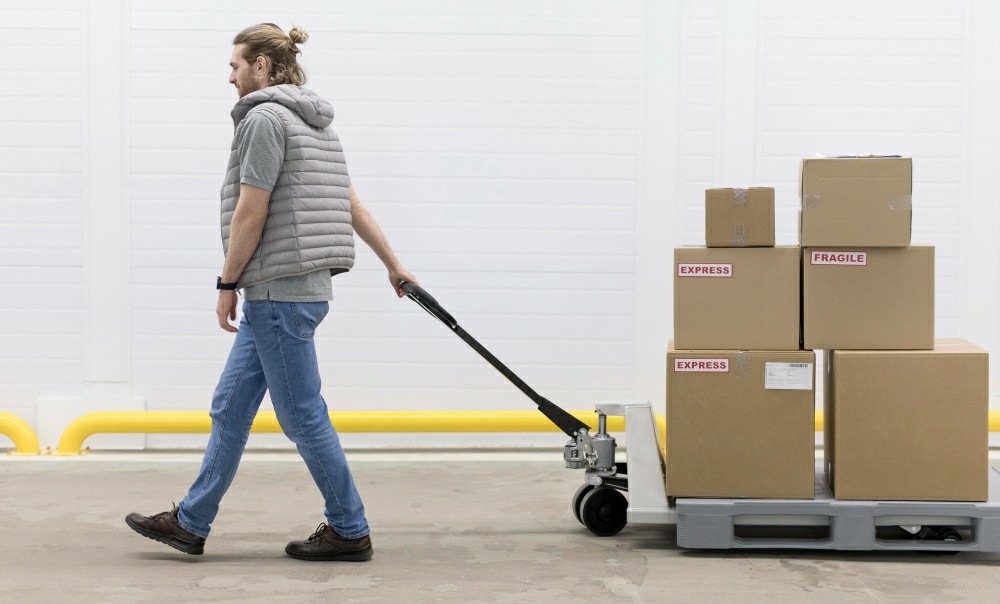
In the healthcare sector, ensuring the safety of both patients and staff is paramount. Manual handling involves moving or supporting individuals and objects, requiring specialized skills and techniques. As an integral part of daily operations, manual handling ie training is crucial for healthcare professionals, including nurses and support staff.
The Importance of Manual Handling Training ie
Manual handling training ie is not just a legal requirement; it is a fundamental aspect of providing high-quality care. Many healthcare workers undertake tasks that involve lifting, carrying, pushing, or pulling patients. Without proper training, healthcare professionals might be at risk of injury, leading to staff absenteeism and affecting patient care.
1. Enhancing Safety for Healthcare Workers
One of the primary goals of manual handling certification ie is to reduce workplace injuries. Research indicates that a significant proportion of musculoskeletal injuries in healthcare settings stem from poor lifting practices. By participating in a manual handling course ie, medical staff gain access to crucial knowledge about:
- Correct lifting techniques.
- Understanding body mechanics.
- Identifying hazardous situations.
2. Compliance with Legislation
Healthcare organizations must comply with health and safety regulations. Providing manual handling training ie ensures that facilities adhere to these laws, which can protect them from legal risks. Completing a manual handling safety course ie creates a culture of safety within medical institutions.
Key Elements of Manual Handling Training ie
Participants in manual handling courses will experience a well-structured curriculum, typically including:
1. Theory of Manual Handling
Understanding the principles of manual handling and the common injuries associated with poor practices is essential. The theory provides the foundation for safe manual handling.
2. Risk Assessments
Conducting risk assessments is vital in every healthcare setting. Training teaches staff how to identify and evaluate risks before initiating any manual handling task.
3. Practical Handling Techniques
Hands-on experience is crucial for effective learning. The training teaches practical techniques tailored to diverse scenarios, including:
- Assisting patients with mobility.
- Transferring individuals safely.
- Using equipment like hoists and sliders effectively.
Benefits of Online Manual Handling Course ie
For busy healthcare professionals, online training can be a game-changer. An manual handling online course ie offers flexibility, allowing workers to learn at their own pace without disrupting their work schedule. It especially suits teams scattered across facilities in cities like Dublin ie, Cork ie, and Galway ie.
Certification Process
Upon completing the training, participants will undergo an assessment to validate their learning. Successful candidates will receive a manual handling certification ie, affirming their competence in manual handling practices.
In Conclusion
Effective manual handling practices are crucial in protecting healthcare workers and ensuring seamless patient care. Investing in certified manual handling training ie is an investment in safety, compliance, and quality healthcare provision. Healthcare professionals interested in obtaining this vital knowledge should consider Irish Manual Handling for comprehensive training options or contact us at [email protected].