Your Ultimate Guide to Choosing the Best Working at Heights Training in Ireland
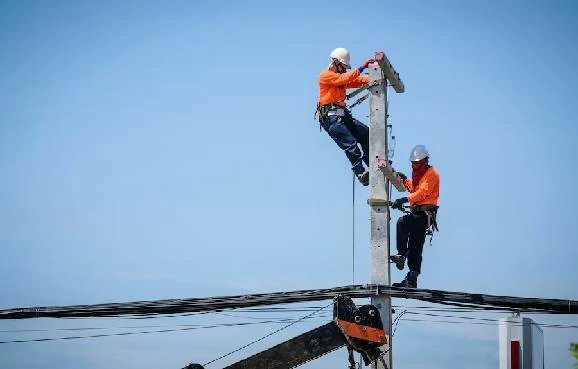
When it comes to ensuring the safety of employees who work at heights, selecting the right training provider is essential. Working at Heights training not only safeguards workers but also minimizes the risk of accidents and enhances compliance with legal standards. With multiple providers in Ireland offering various courses, businesses must undertake careful evaluation to find the best fit. This guide will help you navigate through the accreditation, course content, delivery options, and additional factors to consider when selecting a training provider.
Understanding the Importance of Accreditation
Before diving into course content and delivery methods, it’s crucial to understand the significance of accreditation. Accredited training providers are recognized by governmental and authoritative organizations, which guarantees that their Working at Heights training aligns with industry standards and regulations.
- Health and Safety Authority (HSA): The Irish HSA oversees workplace safety regulations and offers guidance on essential training requirements.
- Health and Safety Executive (HSE): This UK body provides comprehensive safety standards relevant to the Irish context, especially for cross-border businesses.
- Royal Society for the Prevention of Accidents (RoSPA): Their accreditation assures that the training provider follows robust safety protocols and practices.
Verify the accreditations of your training provider by visiting their website or contacting them directly to ensure compliance with these standards.
Course Content: What to Expect
When assessing Working at Heights courses, review the content. A comprehensive course typically includes:
- Understanding regulations and standards for working at heights.
- Risk assessment and management practices.
- Safe use of equipment such as ladders, scaffolding, and harnesses.
- Emergency rescue procedures and first aid.
Ensure that the course also covers practical training sessions, as on-the-job application is vital for reinforcing safe practices.
Instructor Expertise: Knowing Who’s Teaching
The experience and qualifications of instructors significantly impact the quality of Working at Heights training. Key considerations include:
- Professional background in safety training and industry experience.
- Relevant certifications in safety and educational methodologies.
- Positive feedback and reviews from past trainees.
Don’t hesitate to ask the provider for instructor profiles or testimonials to gauge their expertise.
Delivery Method: Online vs. In-Person Training
With the rise of digital learning, businesses can opt for Working at Heights online courses or traditional in-person training. Each method offers distinct advantages:
- In-Person Training: Provides hands-on experience and immediate feedback from instructors. Ideal for practical skill acquisition and interaction with fellow trainees.
- Online Training: Offers flexibility for busy schedules and the ability to revisit course material. Look for providers that offer a structured format with assessments to gauge understanding.
Evaluate your team's needs and learning preferences to choose the most effective method.
Consideration of Cost
Costs can vary widely depending on the provider, location, and type of training. While it’s tempting to go for the cheapest option, remember that quality should not be compromised. Consider the following:
- What’s included in the price (materials, certification, support)?
- Are there hidden fees for rescheduling or additional materials?
- What is the validity period of the Working at Heights certification, and what are the renewal costs?
It’s often more beneficial in the long run to invest in comprehensive quality training rather than opting for the least expensive provider.
Gathering Reviews and Recommendations
Before making a final decision, research reviews from previous trainees. Consider using platforms like Google Reviews or LinkedIn. Seek recommendations from industry peers to gather insight into the effectiveness and reliability of different providers.
Checklist for Choosing a Working at Heights Training Provider
Here is a succinct checklist to help businesses decide on the best provider:
- Is the training provider accredited by recognized bodies (HSA, HSE, RoSPA)?
- What does the course content cover? Does it focus on hands-on practical skills?
- What are the qualifications and experience levels of the instructors?
- What delivery methods are available—online or in-person? Which is more suitable for our team?
- What are the costs involved, and does it include all necessary materials and certification?
- Are there positive testimonials or reviews from previous participants?
By going through this checklist, businesses can make informed decisions that prioritize employee safety and compliance.
Conclusion
Choosing the right Working at Heights training provider is a critical responsibility that employers must take seriously. By focusing on accreditation, course content, instructor credentials, delivery methods, and feedback from former trainees, you ensure that your team is well-prepared and compliant with safety regulations.
If you're ready to book your Working at Heights Certification Ireland course, consider reaching out to accredited providers like Ireland Safety Training. For more information, contact us at [email protected] or visit our website.