Effective Communication: The Cornerstone of Working at Heights Safety
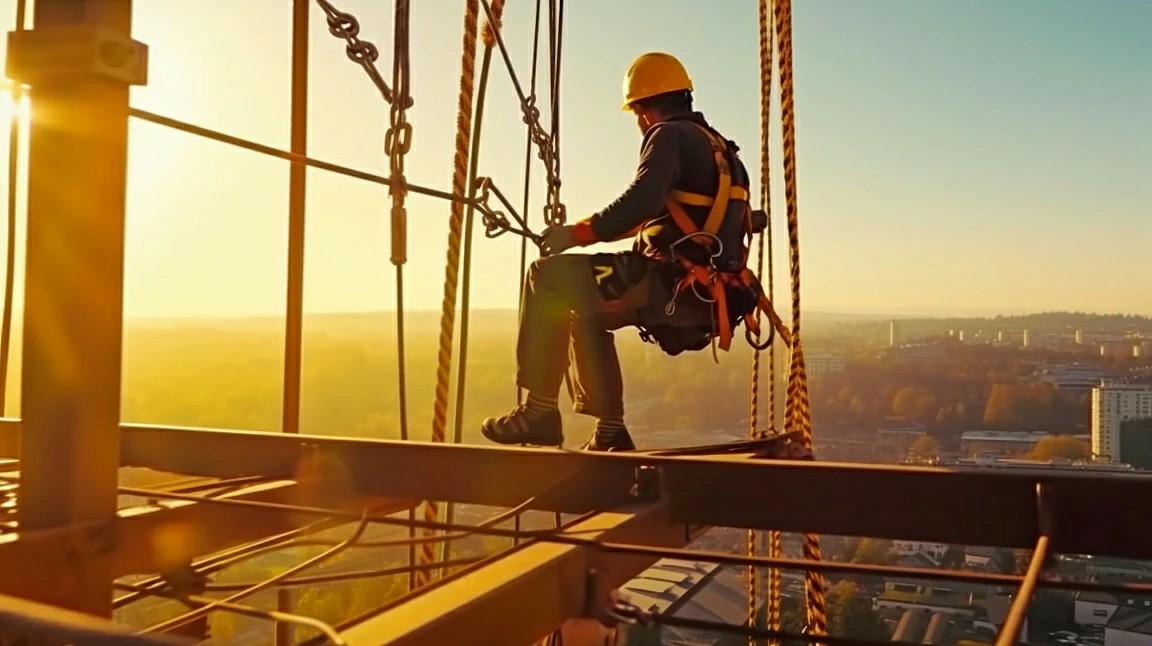
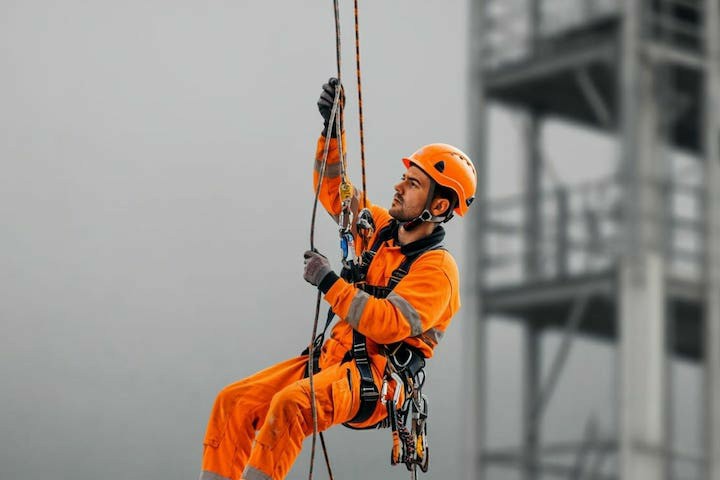
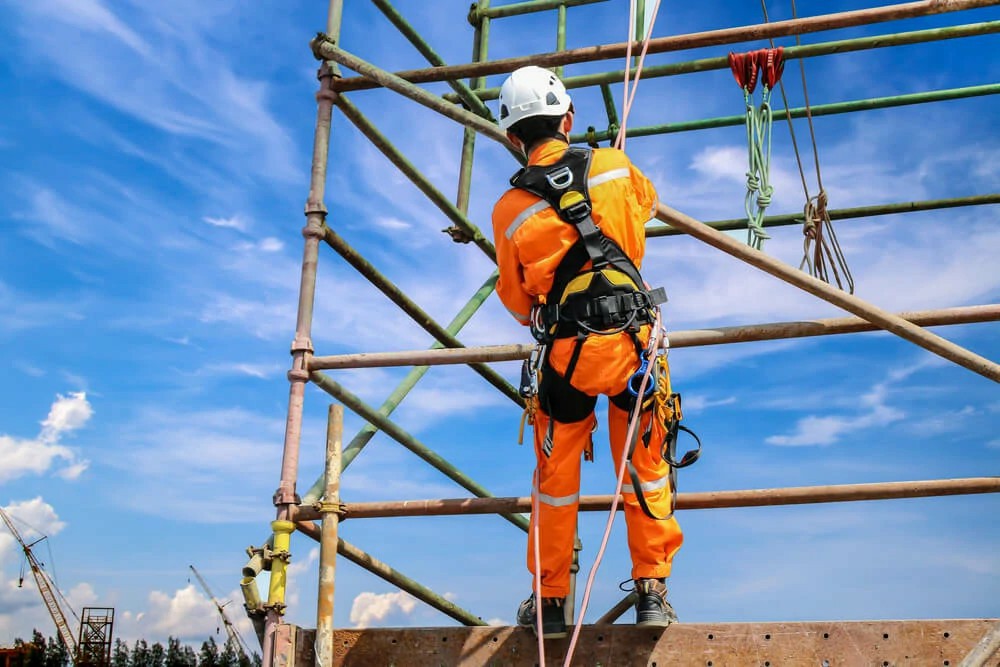
Working at heights presents unique challenges that require not only technical skills but also the ability to communicate effectively. Whether you are on a construction site in Dublin or conducting maintenance in Galway, clear communication can significantly reduce the risk of accidents. In this article, we’ll explore how effective communication enhances safety for those working at heights, focusing on the importance of clear instructions, teamwork, and emergency signaling.
The Importance of Communication in High-Risk Environments
In high-risk work environments, the stakes are high, and even a small miscommunication can lead to serious consequences. Studies have shown that poor communication is a leading cause of accidents in workplaces involving heights.
- Clarity is Key: Verbal and non-verbal instructions must be clear and unambiguous.
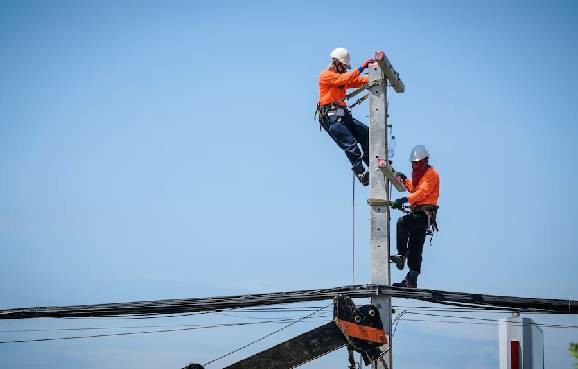
- Team Coordination: Team members need to understand their roles and responsibilities for safe collaboration.
- Readiness for Emergencies: Effective communication during emergencies can save lives.
Clear Instructions: Laying the Foundation for Safety
Clear instructions can drastically reduce the risk of accidents during height-related tasks. Here are some strategies:
- Pre-Task Briefings: Holding meetings before tasks can set expectations and clarify procedures.
- Standard Operating Procedures (SOPs): Establishing SOPs allows for consistent communication regarding safety measures.
- Visual Aids: Using diagrams or checklists can serve as reminders for safety protocols.
The Role of Teamwork in Enhancing Safety
Teamwork is critical in situations where multiple people are involved in working at heights. Effective teamwork entails:
- Defined Roles: Everyone should know their specific responsibilities, reducing overlaps and confusion.
- Regular Check-Ins: Team members should frequently communicate progress, challenges, and safety concerns.
- Feedback Mechanisms: Open channels for feedback promote continuous improvement in safety practices.
Emergency Signaling: A Life-Saving Communication Tool
Emergencies can arise swiftly and unexpectedly. Having a set of emergency signals can be the difference between a minor incident and a major catastrophe. Here are effective practices for emergency signaling:
- Pre-Defined Signals: Develop easy-to-understand signals for various emergency scenarios, ensuring everyone is trained on them.
- Utilizing Technology: Radios and mobile communication devices can facilitate rapid communication during emergencies.
- Mock Drills: Regularly conducting emergency drills can increase preparedness among workers and enhance their response to urgent situations.
Implementing Best Practices for Communication
To ensure that communication is effective, consider the following best practices:
- Invest in Training: Enroll workers in specialized Working at Heights Training and Working at Heights Course Online to enhance their communication skills.
- Incorporate Visual Communication: Use colored tapes, signs, or indicators to convey information visually at height work sites.
- Encourage a Culture of Safety: Foster an environment where employees feel safe to speak up about safety concerns.
Conclusion: Invest in Communication for Safety
Effective communication is not just a skill; it is a necessity when working at heights. By focusing on clear instructions, promoting teamwork, and establishing robust emergency signaling protocols, organizations can decrease the likelihood of accidents and create a safer work environment. The first step toward improving your team's safety is to invest in Certified Working at Heights Training to enhance your workers' communication skills. For more information, contact us at [email protected].