Exploring the Diverse World of Abrasive Wheels: Types, Applications, and Safety Protocols
Abrasive wheels are crucial tools in numerous industries, providing essential functionality for cutting, grinding, and polishing various materials. Understanding the types of abrasive wheels, their applications, and associated risks is vital for workplace safety, especially in urban centers like Dublin, Cork, Galway, Limerick, and Waterford. This guide sheds light on these aspects and emphasizes the importance of proper training to prevent accidents.
Types of Abrasive Wheels
Abrasive wheels are classified based on their manufacturing materials and intended use. Here are the primary types:
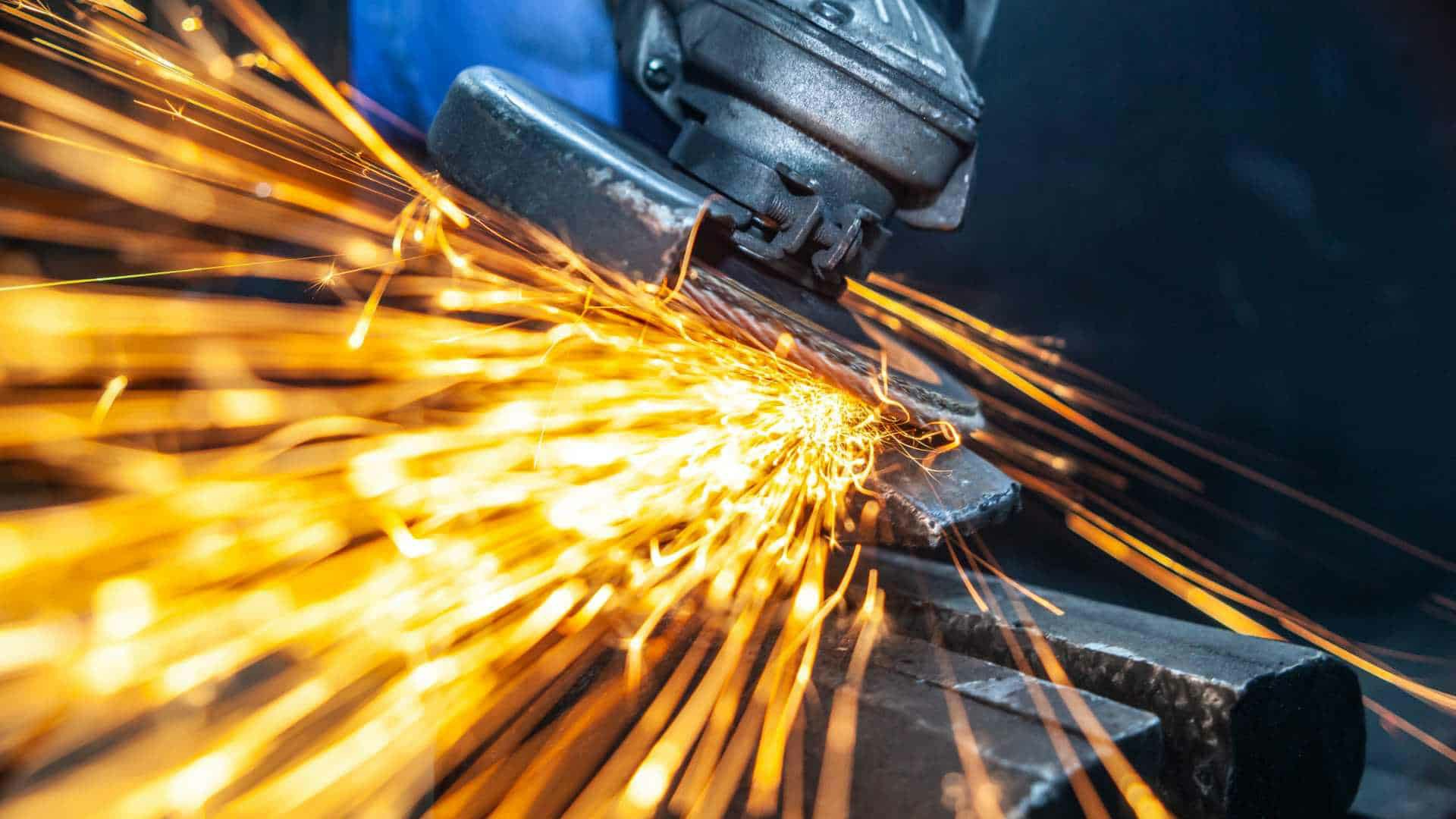
- Grinding Wheels: Used for sharpening, shaping, and removing material from hard surfaces. Common applications include metalworking and woodworking.
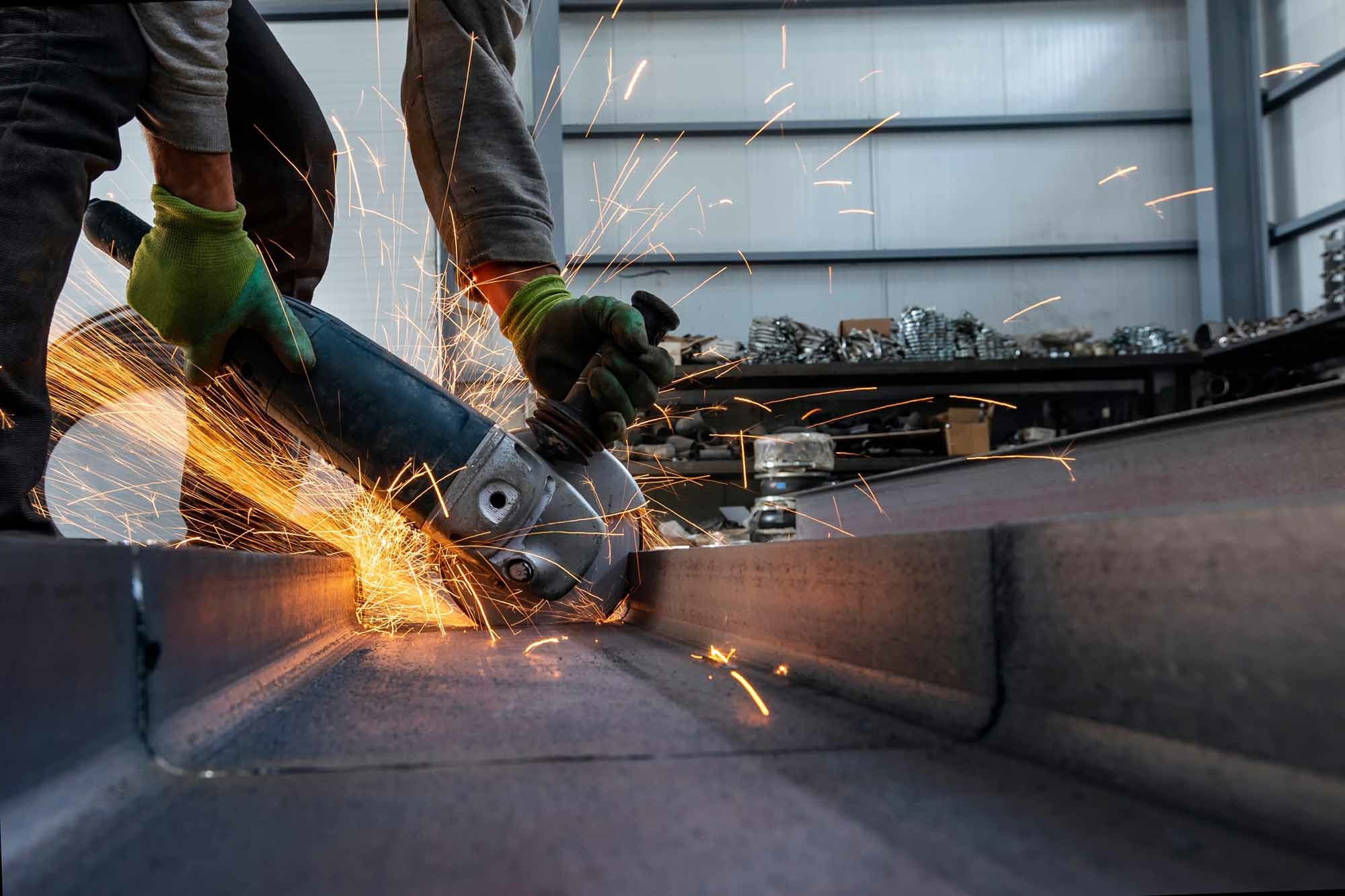
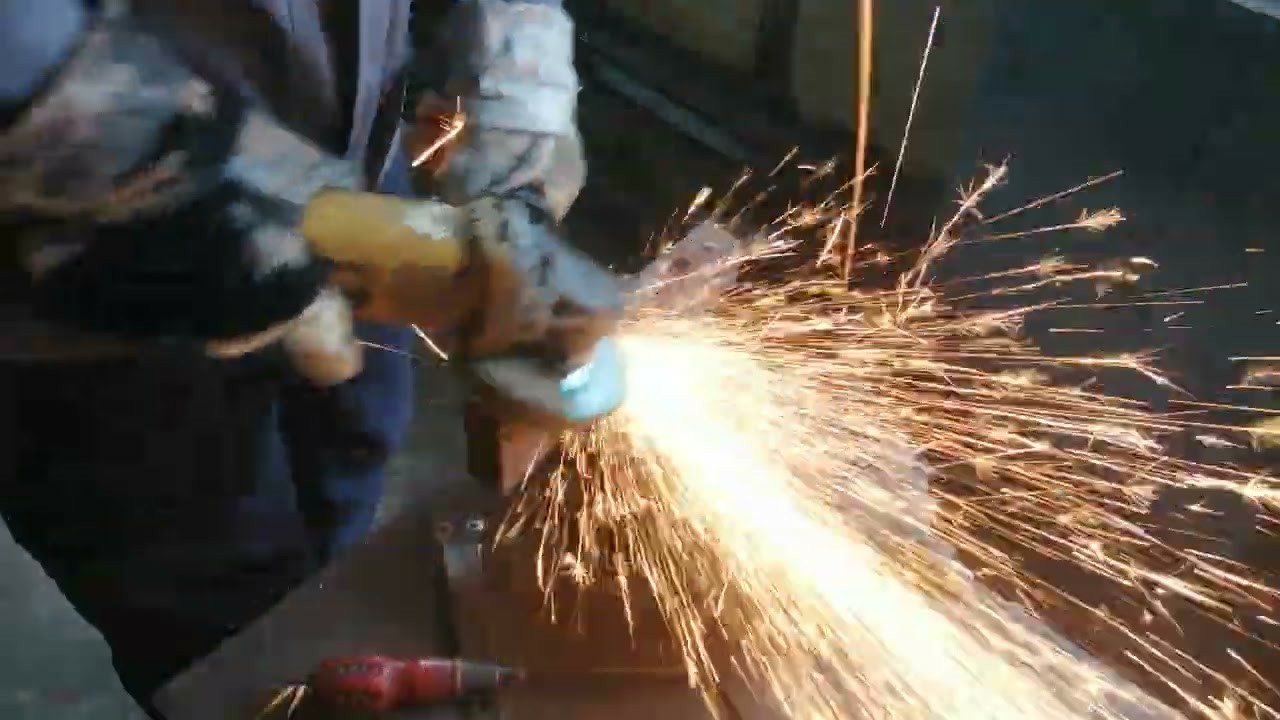
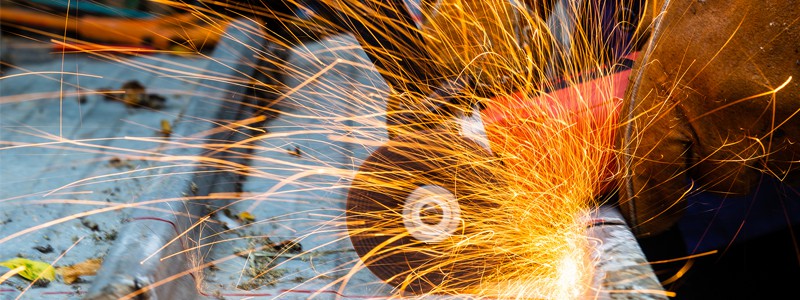
- Cutting Wheels: Designed for cutting through metal or other materials. Typically used in construction and metal fabrication industries.
- Polishing Wheels: Used for achieving a smooth, shiny finish on surfaces. Often found in automotive refinishing and jewelry making.
- Diamond Wheels: Utilized for cutting and grinding hard materials like stone or ceramics. Common in masonry and stone cutting applications.
Abrasive Wheels Applications
The applications of abrasive wheels span across various sectors:
- Construction: Cutting and grinding metals for structural work.
- Automotive: Repairing and detailing; utilizing polishing wheels for high-gloss finishes.
- Aerospace: Precision shaping and surface finishing.
- Manufacturing: Used in assembly lines for component fabrication and finishing.
Specific Risks Associated with Each Type
Each type of abrasive wheel carries inherent risks:
- Grinding Wheels: Risks include wheel breakage leading to flying debris, which can cause serious injury.
- Cutting Wheels: Improper use can lead to blade binding, overheating, or breakage.
- Polishing Wheels: Inhalation of fine dust particles can pose respiratory hazards.
- Diamond Wheels: High danger of splintering and potential high-speed projectiles.
Preventive Measures and Safety Practices
Utilizing abrasive wheels safely requires adherence to a set of best practices:
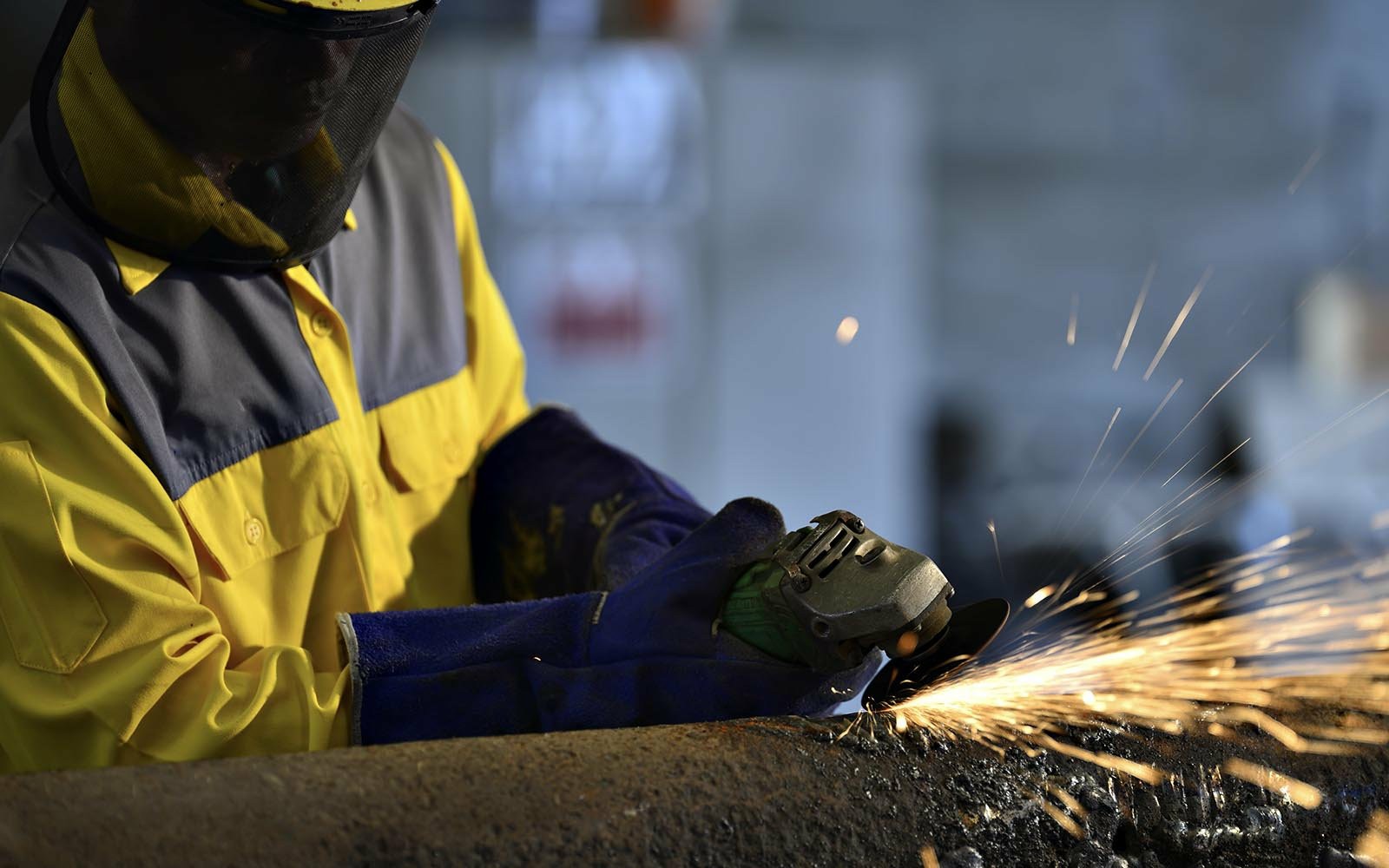
- Always wear appropriate personal protective equipment (PPE), including safety glasses and gloves.
- Regularly inspect abrasive wheels for signs of damage before each use.
- Ensure proper mounting on machines to prevent wobbling and vibrations.
- Use the correct wheel for the material being worked on.
- Able to recognize the sound of dangerous conditions, such as grinding noise changes.
The Importance of Abrasive Wheels Training
One of the most significant investments a company can make is in the training of its employees. Certified Abrasive Wheels training is crucial for:
- Increased Safety: Trained employees are less likely to misuse equipment, thus reducing workplace incidents.
- Compliance with Regulations: Adhering to Irish safety standards, which require proper handling and use of abrasive wheels.
- Enhanced Skills: Workers gain confidence and expertise, leading to better quality work.
Training Opportunities Across Ireland
In Dublin, Cork, Galway, Limerick, Waterford, and beyond, various organizations provide comprehensive training courses for abrasive wheels:
- Abrasive Wheels Course Dublin
- Abrasive Wheels Training Cork
- Abrasive Wheels Certification Galway
- Abrasive Wheels Safety Course Limerick
- Abrasive Wheels Certification Waterford
Conclusion
Understanding the different types of abrasive wheels, their applications, and associated risks is essential for workplace safety. Proper training and certification can significantly mitigate risks associated with these tools, ensuring a safe working environment in Dublin, Cork, Galway, Limerick, Waterford, and other cities across Ireland. Invest in certified Abrasive Wheels training today to enhance your team's safety and proficiency.
If you are interested in enhancing workplace safety through proper training, contact us at [email protected] to learn more about our offerings.